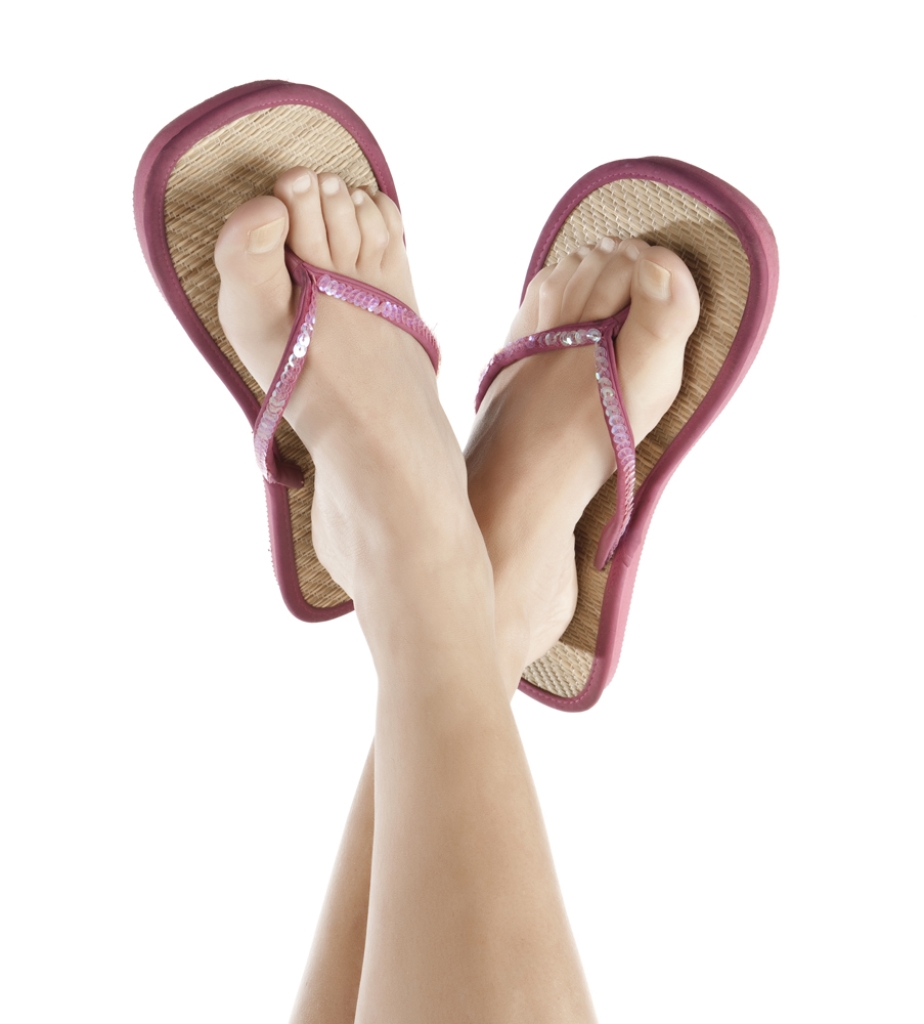
Are Flip-Flops Damaging to My Feet?

Looking ahead to the summer months, let’s talk flip-flops. Flip-flops tend to be an inexpensive, trendy, colorful, and easy-to-wear option for summer, but because there is little support they may be harmful to your feet. Possible injuries may include damage inflicted to the heel, typically causing severe pain. Additionally, the ligaments in the arch may be affected, which may result from improper support if continued over long periods of time. Spraining the ankle can be connected to lack of arch support, which may occur when rolled to one side. This can be alleviated when proper shoes are chosen for summer wear. There are several choices available for these “fun” shoes, including sandals with a supportive outer heel, cork soles in place of rubber soles, and solid straps that may help to hold the foot in place. Your feet will look good and, more importantly, feel good when the right shoes are chosen.

Flip-flops are not always the best choice of footwear. If you have any concerns about your feet or ankles, contact Darron Barrus, DPM from Shelby Podiatry. Our doctor will assist you with all of your foot and ankle needs.

Flip-Flops and Feet

When the weather starts warming up, people enjoy wearing flip-flops.  Flip-flops are comfortable, stylish, and easy to slip on and off; they're perfect for any summer beach goer.  However, these shoes can cause harm to the feet.

How Can Flip-Flops Affect Me Long-Term?

  • Ankle problems
  • Hip problems
  • Lower back problems
  • Pain in the balls of the feet
  • Problems with foot arches
  • Changes in the way you walk

Are There Injuries Associated with Flip-Flops?

Yes.  Since flip-flops are relatively weak and do not provide the same amount of support as sneakers, people who wear flip-flops regularly are more susceptible to injuries. On top of that, the open nature of the shoe makes your feet more prone to other problems, such as cuts and even infections.  Common injuries and ailments include:

  • Sprained ankles
  • Blisters
  • Infections
  • Cuts and Scrapes

I like Wearing Flip-Flops. Are There Safe Alternatives?

When buying flip-flops, try to find ones that have sturdy soles and that are made of high-quality materials that will support for your feet.  These flip-flops will cost more but will also last longer as a result.

If you have any questions, please feel free to contact our office located in Alabaster, AL . We offer the newest diagnostic and treatment technologies for all your foot care needs.
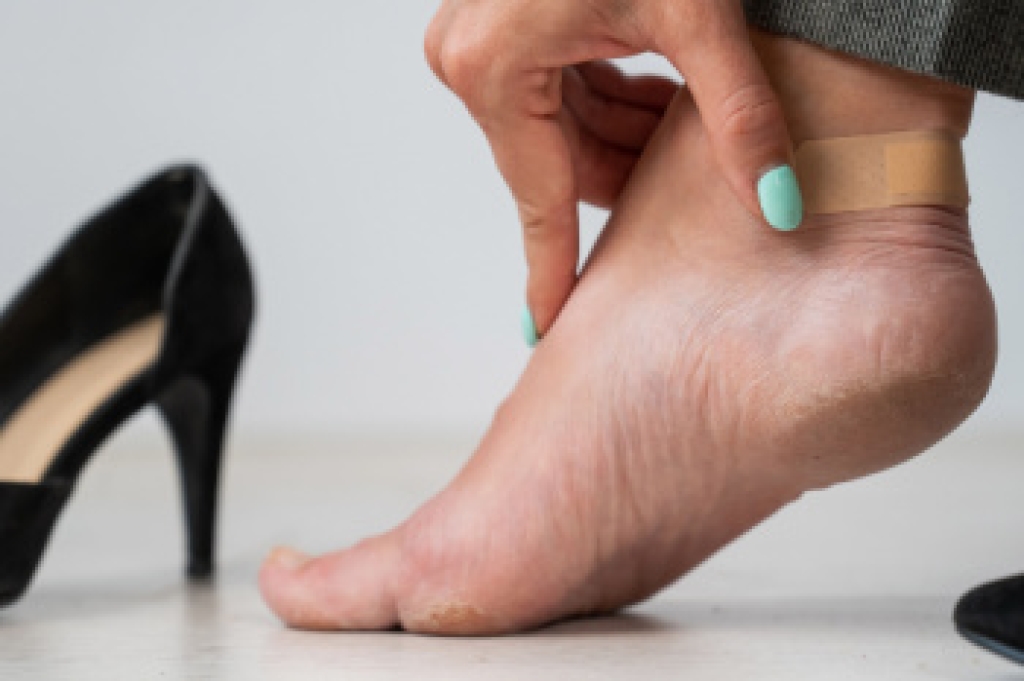
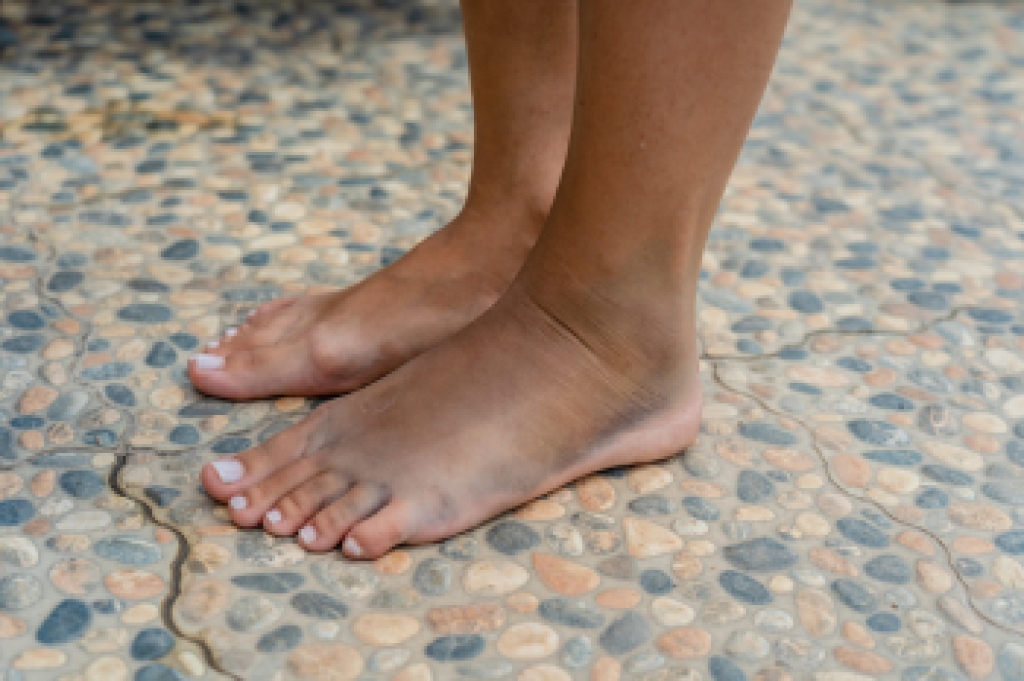
Read more about Flip Flops and Feet

The Hidden Pain Behind High Heels

Wearing high heels may look stylish, but they can cause serious foot problems over time. High heels shift body weight forward, putting excessive pressure on the toes and the ball of the foot. This unnatural position can lead to bunions, hammertoes, corns, and sometimes nerve pain. Symptoms include aching arches, burning sensations, stiffness, or numbness after wearing heels for long periods. The feet may appear red, misaligned, or swollen, especially near the toes and forefoot. Over time, high heels can also affect posture and contribute to knee, hip, and back pain. A podiatrist can help identify the source of discomfort with a thorough foot evaluation, gait analysis, and imaging if needed. Treatment options include custom orthotics, footwear recommendations, stretching exercises, or in severe cases, corrective procedures. It is suggested that you make an appointment with a podiatrist to protect your feet and find pain-free solutions while maintaining your style.

High heels have a history of causing foot and ankle problems. If you have any concerns about your feet or ankles, contact Darron Barrus, DPM from Shelby Podiatry. Our doctor can provide the care you need to keep you pain-free and on your feet.

Effects of High Heels on the Feet

High heels are popular shoes among women because of their many styles and societal appeal.  Despite this, high heels can still cause many health problems if worn too frequently.

Which Parts of My Body Will Be Affected by High Heels?

  • Ankle Joints
  • Achilles Tendon – May shorten and stiffen with prolonged wear
  • Balls of the Feet
  • Knees – Heels cause the knees to bend constantly, creating stress on them
  • Back – They decrease the spine’s ability to absorb shock, which may lead to back pain.  The vertebrae of the lower back may compress.

What Kinds of Foot Problems Can Develop from Wearing High Heels?

  • Corns
  • Calluses
  • Hammertoe
  • Bunions
  • Morton’s Neuroma
  • Plantar Fasciitis

How Can I Still Wear High Heels and Maintain Foot Health?

If you want to wear high heeled shoes, make sure that you are not wearing them every day, as this will help prevent long term physical problems.  Try wearing thicker heels as opposed to stilettos to distribute weight more evenly across the feet.  Always make sure you are wearing the proper shoes for the right occasion, such as sneakers for exercising.  If you walk to work, try carrying your heels with you and changing into them once you arrive at work.  Adding inserts to your heels can help cushion your feet and absorb shock. Full foot inserts or metatarsal pads are available. 

If you have any questions, please feel free to contact our office located in Alabaster, AL . We offer the newest diagnostic and treatment technologies for all your foot care needs.
Read more about Effect of High Heels on the Feet

Understanding Foot Pain from Bruises

Foot pain caused by bruises, such as contusions and hematomas, can be both uncomfortable and concerning. These injuries occur when blood vessels beneath the skin are damaged, typically from a direct impact or trauma, like dropping something heavy on your foot or stubbing your toe. Contusions result in pain, swelling, and discoloration, while a hematoma occurs when blood collects in a confined area, creating a larger, more painful swelling. The primary symptoms of bruises on the foot include pain, swelling, and a visible darkening or redness of the skin. If the pain persists or if there is significant swelling, a podiatrist can assess the injury and ensure there are no underlying fractures. They can also recommend appropriate treatments for faster healing. If you are dealing with this condition, it is suggested that you make an appointment with a podiatrist.

Foot Pain

Foot pain can be extremely painful and debilitating. If you have a foot pain, consult with Darron Barrus, DPM from Shelby Podiatry. Our doctor will assess your condition and provide you with quality foot and ankle treatment.

Causes

Foot pain is a very broad condition that could be caused by one or more ailments. The most common include:

  • Bunions
  • Hammertoes
  • Plantar Fasciitis
  • Bone Spurs
  • Corns
  • Tarsal Tunnel Syndrome
  • Ingrown Toenails
  • Arthritis (such as Gout, Rheumatoid, and Osteoarthritis)
  • Flat Feet
  • Injury (from stress fractures, broken toe, foot, ankle, Achilles tendon ruptures, and sprains)
  • And more

Diagnosis

To figure out the cause of foot pain, podiatrists utilize several different methods. This can range from simple visual inspections and sensation tests to X-rays and MRI scans. Prior medical history, family medical history, and any recent physical traumatic events will all be taken into consideration for a proper diagnosis.

Treatment

Treatment depends upon the cause of the foot pain. Whether it is resting, staying off the foot, or having surgery; podiatrists have a number of treatment options available for foot pain.

If you have any questions, please feel free to contact our office located in Alabaster, AL . We offer the newest diagnostic and treatment technologies for all your foot care needs.
Read more about Foot Pain

Inspect Your Feet Regularly for Abnormalities if You're Diabetic

Diabetic patients often have decreased sensitivity in their feet, which makes a visual inspection of the feet even more important. If you're diabetic, having periodic screenings is extremely important for maintaining the overall health of your feet. 

Understanding Fused Joints in the Feet

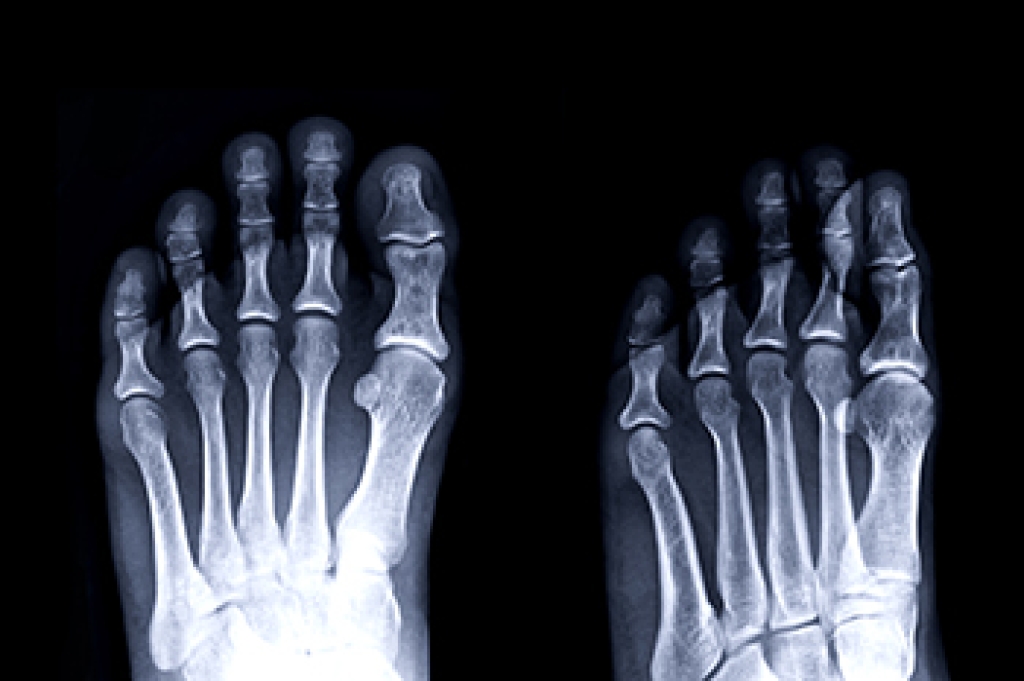
Symphalangism is a rare condition where the joints between certain bones are fused, limiting normal movement. In the feet, it often affects the toe joints, most commonly the middle joint of a toe, and results in stiffness and reduced flexibility. Causes may be genetic, as the condition is usually inherited, although it can also develop from abnormal bone growth. Symptoms include rigid toes that do not bend, discomfort while walking, difficulty finding comfortable shoes, and, in some cases, pain from pressure or altered gait. A podiatrist can help by evaluating the severity of the condition, recommending custom orthotics, providing supportive footwear advice, and offering treatment to reduce discomfort. If you have stiff or immobile toes, it is suggested that you consult a podiatrist who can accurately diagnose and offer relief solutions for what may be going on.

Some foot conditions may require additional professional care. If you have any concerns, contact Darron Barrus, DPM of Shelby Podiatry. Our doctor can provide the care you need to keep you pain-free and on your feet.

Rare Foot Conditions

The majority of foot conditions are common and can be treated by a podiatrist.  Standard diagnostic procedures are generally used to identify specific conditions and treatment can be rendered. A podiatrist also treats rare foot conditions which can be difficult to diagnose and may need extra attention and care. 

There are many rare foot conditions that can affect children. Some of these can include:

  • Freiberg’s disease
  • Kohler’s disease
  • Maffucci syndrome

Freiberg’s disease - This can be seen as a deterioration and flattening of a metatarsal bone that exists in the ball of the foot. It typically affects pre-teen and teenage girls, but can affect anyone at any age. Symptoms that can accompany this can be swelling, stiffness, and the patient may limp. 

Kohler’s disease - This often targets the bone in the arch of the foot and affects younger boys. It can lead to an interruption of the blood supply which ultimately can lead to bone deterioration. The patient may limp or experience tenderness, swelling, and redness.

Maffucci syndrome - This affects the long bones in a child’s foot leading to the development of abnormal bone lesions. They are benign growths and typically develop in early childhood and the bones may be susceptible to breaking. 

A podiatrist can properly diagnose and treat all types of rare foot conditions. If your child is affected by any of these symptoms or conditions, please don’t hesitate to call our office so the correct treatment method can begin.

If you have any questions, please feel free to contact our office located in Alabaster, AL . We offer the newest diagnostic and treatment technologies for all your foot care needs.

Read more about Rare Foot Conditions

Connect With Us

scroll to top