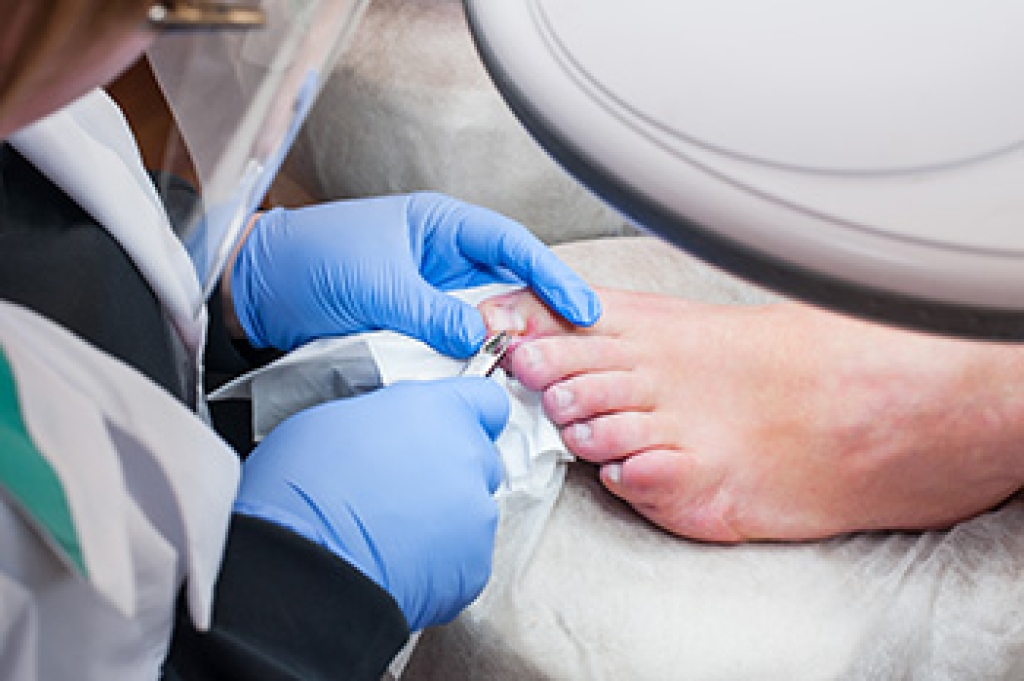
Reasons to Have Ingrown Toenail Removal Surgery

Ingrown toenail removal surgery is a simple procedure performed when the edge of a toenail grows into the surrounding skin and causes pain, swelling, or infection. It is needed when home care no longer helps, or when the condition keeps returning. During the procedure the podiatrist removes the offending nail edge and may treat the nail root to prevent it from growing back into the skin. Recovery is usually smooth with gentle wound care, clean dressings, and keeping pressure off the toe while it heals. A podiatrist guides every step to ensure comfort and prevent future problems. If you are struggling with persistent toenail pain or see signs of an infection, it is strongly suggested that you consult a podiatrist who can discuss the benefits of ingrown toenail surgery with you.

Foot surgery is sometimes necessary to treat a foot ailment. To learn more, contact Darron Barrus, DPM of Shelby Podiatry. Our doctor will assist you with all of your foot and ankle needs.

When Is Surgery Necessary?

Foot and ankle surgery is generally reserved for cases in which less invasive, conservative procedures have failed to alleviate the problem. Some of the cases in which surgery may be necessary include:

  • Removing foot deformities like bunions and bone spurs
  • Severe arthritis that has caused bone issues
  • Cosmetic reconstruction

What Types of Surgery Are There?

The type of surgery you receive will depend on the nature of the problem you have. Some of the possible surgeries include:

  • Bunionectomy for painful bunions
  • Surgical fusion for realignment of bones
  • Neuropathy decompression surgery to treat nerve damage

Benefits of Surgery

Although surgery is usually a last resort, it can provide more complete pain relief compared to non-surgical methods and may allow you to finally resume full activity.

Surgical techniques have also become increasingly sophisticated. Techniques like endoscopic surgery allow for smaller incisions and faster recovery times.

If you have any questions, please feel free to contact our office located in Alabaster, AL . We offer the newest diagnostic and treatment technologies for all your foot care needs.
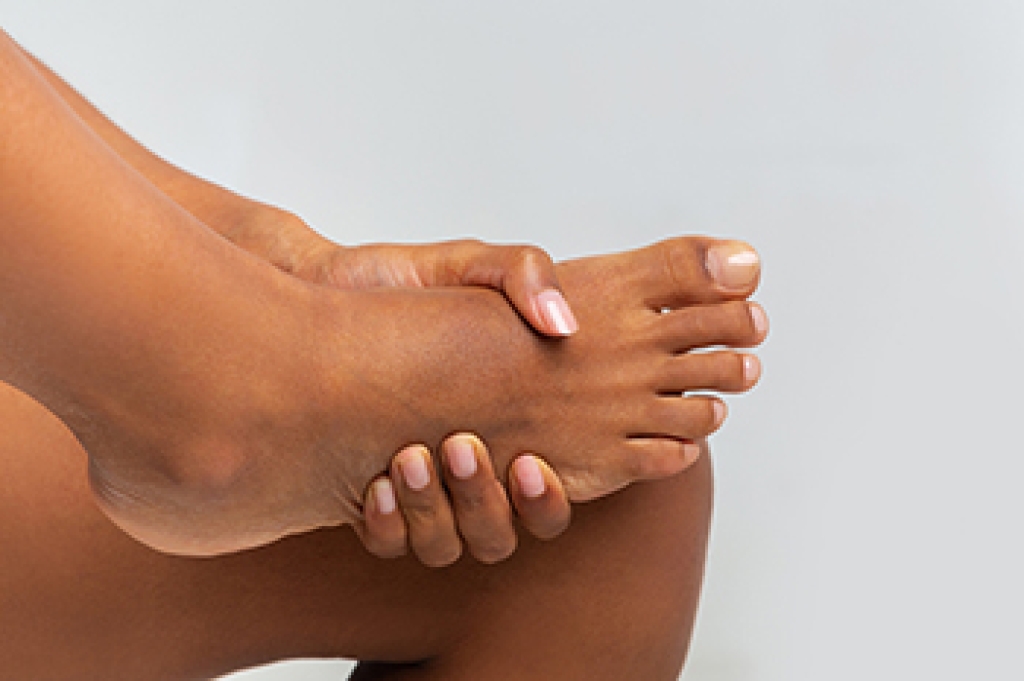
Read more about Foot and Ankle Surgery

Common Reasons Foot Pain Develops

Foot pain can arise from many different sources, and understanding the cause is the first step toward finding relief. Overuse from long hours on your feet, wearing unsupportive footwear, or sudden increases in activity can strain the muscles, tendons, and ligaments. Conditions such as plantar fasciitis, tendon injuries, arthritis, nerve irritation, or stress fractures can also create discomfort that builds gradually or appears suddenly. Some individuals experience pain from structural issues like flat feet or high arches, while others notice soreness linked to corns, calluses, or nail problems. Because the feet work hard with every step, even minor concerns can interfere with daily movement, if ignored. Paying attention to early signs helps prevent more serious problems from developing. If your foot pain persists, worsens, or affects the way you walk, it is suggested that you schedule an appointment with a podiatrist for further evaluation.

Foot Pain

Foot pain can be extremely painful and debilitating. If you have a foot pain, consult with Darron Barrus, DPM from Shelby Podiatry. Our doctor will assess your condition and provide you with quality foot and ankle treatment.

Causes

Foot pain is a very broad condition that could be caused by one or more ailments. The most common include:

  • Bunions
  • Hammertoes
  • Plantar Fasciitis
  • Bone Spurs
  • Corns
  • Tarsal Tunnel Syndrome
  • Ingrown Toenails
  • Arthritis (such as Gout, Rheumatoid, and Osteoarthritis)
  • Flat Feet
  • Injury (from stress fractures, broken toe, foot, ankle, Achilles tendon ruptures, and sprains)
  • And more

Diagnosis

To figure out the cause of foot pain, podiatrists utilize several different methods. This can range from simple visual inspections and sensation tests to X-rays and MRI scans. Prior medical history, family medical history, and any recent physical traumatic events will all be taken into consideration for a proper diagnosis.

Treatment

Treatment depends upon the cause of the foot pain. Whether it is resting, staying off the foot, or having surgery; podiatrists have a number of treatment options available for foot pain.

If you have any questions, please feel free to contact our office located in Alabaster, AL . We offer the newest diagnostic and treatment technologies for all your foot care needs.
Read more about Foot Pain

How Type Two Diabetes Can Change the Skin on Your Feet

Type two diabetes can influence the health of the skin on the feet in ways that often develop slowly, but deserve early attention. Higher blood sugar levels may lead to dryness, cracking, slow healing, and a greater chance of infection. Some individuals notice dark, velvety patches, redness, or persistent itching related to circulation concerns or nerve changes. Others experience thickened skin on pressure points or recurring fungal infections that do not clear easily. These changes may signal that the skin is becoming less able to protect the feet and maintain normal healing. Addressing these issues promptly supports comfort and long-term foot health. If your feet are dry, have unusual discoloration, sores that do not heal, or repeated infections on your feet, it is suggested that you see a podiatrist for expert guidance and management tips.

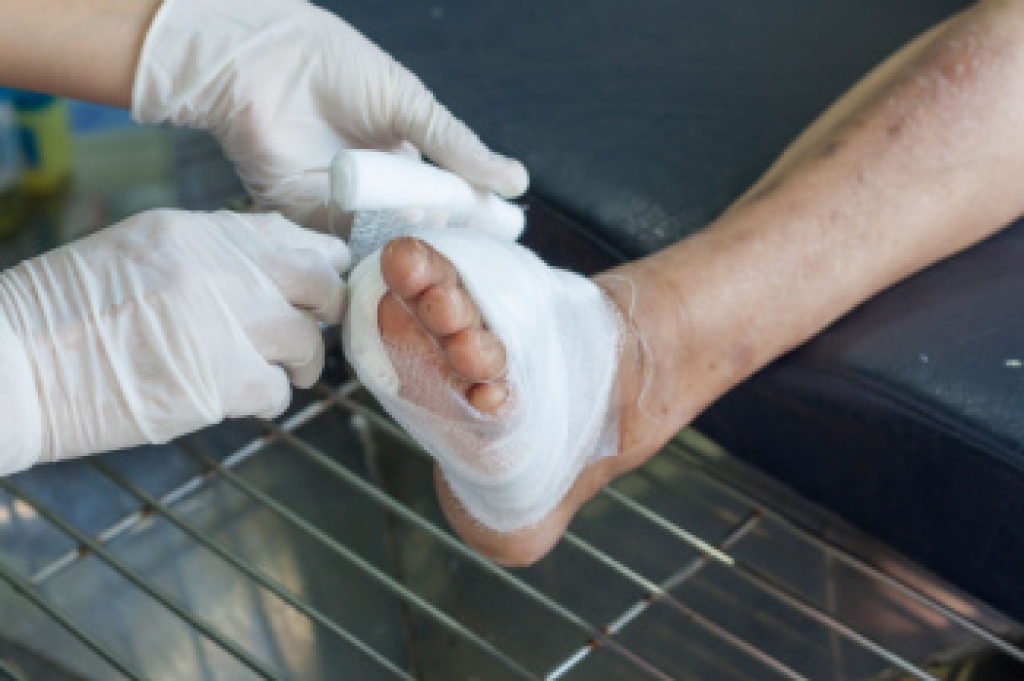
Wound care is an important part in dealing with diabetes. If you have diabetes and a foot wound or would like more information about wound care for diabetics, consult with Darron Barrus, DPM from Shelby Podiatry. Our doctor will assess your condition and provide you with quality foot and ankle treatment.

What Is Wound Care?

Wound care is the practice of taking proper care of a wound. This can range from the smallest to the largest of wounds. While everyone can benefit from proper wound care, it is much more important for diabetics. Diabetics often suffer from poor blood circulation which causes wounds to heal much slower than they would in a non-diabetic. 

What Is the Importance of Wound Care?

While it may not seem apparent with small ulcers on the foot, for diabetics, any size ulcer can become infected. Diabetics often also suffer from neuropathy, or nerve loss. This means they might not even feel when they have an ulcer on their foot. If the wound becomes severely infected, amputation may be necessary. Therefore, it is of the upmost importance to properly care for any and all foot wounds.

How to Care for Wounds

The best way to care for foot wounds is to prevent them. For diabetics, this means daily inspections of the feet for any signs of abnormalities or ulcers. It is also recommended to see a podiatrist several times a year for a foot inspection. If you do have an ulcer, run the wound under water to clear dirt from the wound; then apply antibiotic ointment to the wound and cover with a bandage. Bandages should be changed daily and keeping pressure off the wound is smart. It is advised to see a podiatrist, who can keep an eye on it.

If you have any questions please contact our office located in Alabaster, AL . We offer the newest diagnostic and treatment technologies for all your foot and ankle needs.

Read more about Wound Care

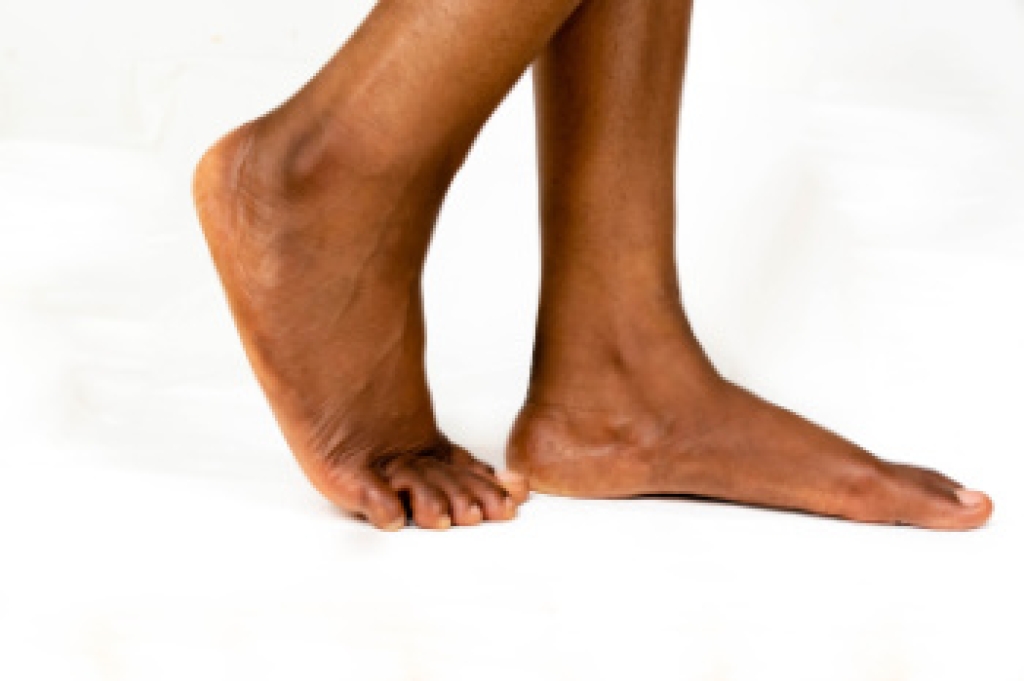
The Impact of Flat Feet on Foot Health

Flat feet, also known as fallen arches, occur when the arches of the feet collapse or do not develop fully, causing the entire sole to touch the ground. They may be present from birth, result from injury, or develop over time due to weakened tendons, obesity, or aging. Flat feet may look visibly low or absent in the arch area, and some individuals notice inward tilting of the ankles. Symptoms include foot fatigue, aching in the heel or arch, swelling along the inside of the ankle, or discomfort when standing or walking for long periods. Not all flat feet cause pain, but when symptoms occur, they can lead to knee, hip, or back problems due to altered gait. A podiatrist can diagnose flat feet through physical examination, gait analysis, and imaging if needed. Treatment may include custom orthotics, supportive footwear, stretching or strengthening exercises, and guidance on activity modification. Early intervention helps reduce discomfort and prevent long-term complications. If you experience persistent foot pain or notice changes in your arches, it is suggested that you make an appointment with a podiatrist.

Flatfoot is a condition many people suffer from. If you have flat feet, contact Darron Barrus, DPM from Shelby Podiatry. Our doctor will treat your foot and ankle needs.

What Are Flat Feet?

Flatfoot is a condition in which the arch of the foot is depressed and the sole of the foot is almost completely in contact with the ground. About 20-30% of the population generally has flat feet because their arches never formed during growth.

Conditions & Problems:

Having flat feet makes it difficult to run or walk because of the stress placed on the ankles.

Alignment – The general alignment of your legs can be disrupted, because the ankles move inward which can cause major discomfort.

Knees – If you have complications with your knees, flat feet can be a contributor to arthritis in that area.  

Symptoms

  • Pain around the heel or arch area
  • Trouble standing on the tip toe
  • Swelling around the inside of the ankle
  • Flat look to one or both feet
  • Having your shoes feel uneven when worn

Treatment

If you are experiencing pain and stress on the foot you may weaken the posterior tibial tendon, which runs around the inside of the ankle. 

If you have any questions, please feel free to contact our office located in Alabaster, AL . We offer the newest diagnostic and treatment technologies for all your foot care needs.

Read more about Flatfoot

Wounds That Don't Heal Need to Be Checked

Your feet are covered most of the day. If you're diabetic, periodic screening is important for good health. Numbness is often a sign of diabetic foot and can mask a sore or wound.

Connect With Us

scroll to top