Understanding Foot Problems in Juvenile Idiopathic Arthritis

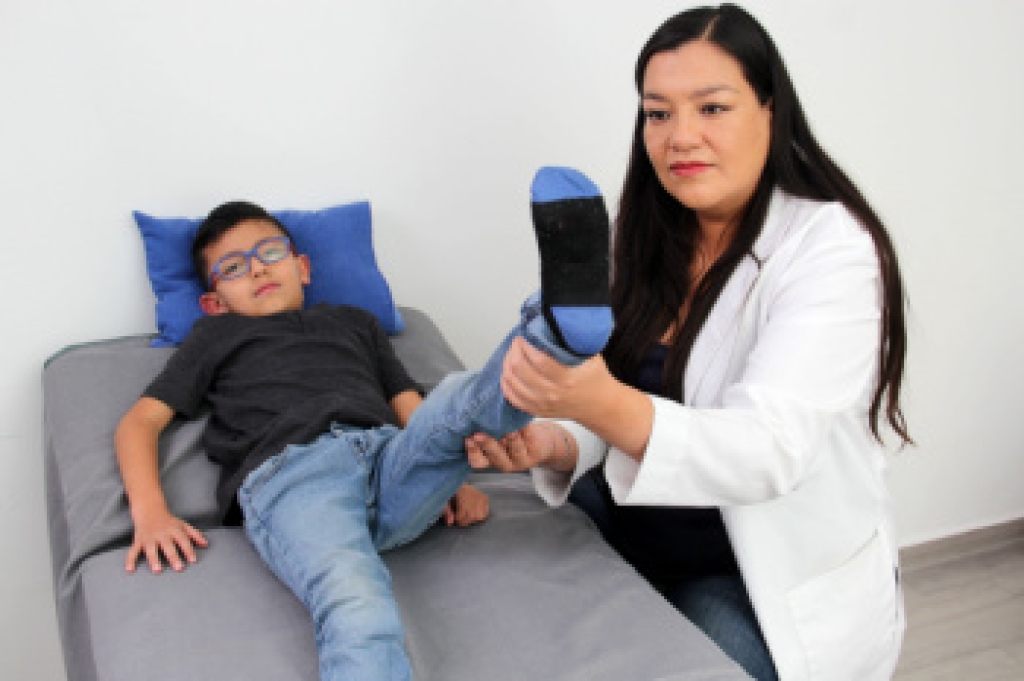
Juvenile idiopathic arthritis is a long-term inflammatory condition that affects children under age 16. It causes the immune system to mistakenly attack the lining of the joints, leading to swelling, stiffness, and pain. Although many people think of arthritis affecting the hands or knees, the feet and ankles are commonly involved in children with this condition. When these joints are affected, walking, running, and daily activities can become difficult. Studies show that problems in the lower limbs often cause the greatest limits in movement and comfort. Children may experience ankle or foot pain, inflammation surrounding the tendons, or develop flat feet that place extra strain on the joints. When the disease is more active, these symptoms can greatly affect quality of life. Early care is important to protect growing joints. If your child has foot or ankle pain related to arthritis, it is suggested that you visit a podiatrist who can evaluate the problem and recommend appropriate treatment.

Arthritis can be a difficult condition to live with. If you are seeking treatment, contact Darron Barrus, DPM from Shelby Podiatry. Our doctor can provide the care you need to keep you pain-free and on your feet.

Arthritic Foot Care  

Arthritis is a term that is commonly used to describe joint pain.  The condition itself can occur to anyone of any age, race, or gender, and there are over 100 types of it.  Nevertheless, arthritis is more commonly found in women compared to men, and it is also more prevalent in those who are overweight. The causes of arthritis vary depending on which type of arthritis you have. Osteoarthritis for example, is often caused by injury, while rheumatoid arthritis is caused by a misdirected immune system.

Symptoms

  • Swelling
  • Pain
  • Stiffness
  • Decreased Range of Motion

Arthritic symptoms range in severity, and they may come and go. Some symptoms stay the same for several years but could potentially get worse with time. Severe cases of arthritis can prevent its sufferers from performing daily activities and make walking difficult.

Risk Factors

  • Occupation – Occupations requiring repetitive knee movements have been linked to osteoarthritis
  • Obesity – Excess weight can contribute to osteoarthritis development
  • Infection – Microbial agents can infect the joints and trigger arthritis
  • Joint Injuries – Damage to joints may lead to osteoarthritis
  • Age – Risk increases with age
  • Gender –Most types are more common in women
  • Genetics – Arthritis can be hereditary

If you suspect your arthritis is affecting your feet, it is crucial that you see a podiatrist immediately. Your doctor will be able to address your specific case and help you decide which treatment method is best for you.

If you have any questions please feel free to contact our office located in Alabaster, AL . We offer the newest diagnostic tools and technology to treat your foot and ankle needs.


Read more about How to Care for Your Arthritic Foot

When an Ingrown Toenail Turns Into Infection

Infected ingrown toenails can turn a small nail problem into a painful swollen toe that makes walking uncomfortable. This condition develops when the edge of the toenail grows into the surrounding skin, causing bacteria to enter the irritated area. Redness, warmth, drainage, and throbbing pain are common warning signs. Wearing tight shoes, improper nail trimming, and naturally curved nails often increase the risk. Early care can prevent deeper infection. Avoid digging into the nail or cutting the corner too deeply, since this can worsen the infection. Supportive roomy shoes reduce pressure on the tender toe. When toe pain, swelling, or drainage continues, it is suggested that you see a podiatrist for a diagnosis and appropriate treatment.

Ingrown toenails may initially present themselves as a minor discomfort, but they may progress into an infection in the skin without proper treatment. For more information about ingrown toenails, contact Darron Barrus, DPM of Shelby Podiatry. Our doctor can provide the care you need to keep you pain-free and on your feet.

Ingrown Toenails

Ingrown toenails are caused when the corner or side of a toenail grows into the soft flesh surrounding it. They often result in redness, swelling, pain, and in some cases, infection. This condition typically affects the big toe and may recur if it is not treated properly.

Causes

  • Improper toenail trimming
  • Genetics
  • Improper shoe fitting
  • Injury from pedicures or nail picking
  • Abnormal gait
  • Poor hygiene

You are more likely to develop an ingrown toenail if you are obese, have diabetes, arthritis, or have any fungal infection in your nails. Additionally, people who have foot or toe deformities are at a higher risk of developing an ingrown toenail.

Symptoms

Some symptoms of ingrown toenails are redness, swelling, and pain. In rare cases, there may be a yellowish drainage coming from the nail.

Treatment

Ignoring an ingrown toenail can have serious complications. Infections of the nail border can progress to a deeper soft-tissue infection, which can then turn into a bone infection. You should always speak with your podiatrist if you suspect you have an ingrown toenail, especially if you have diabetes or poor circulation.

If you have any questions, please feel free to contact our office located in Alabaster, AL . We offer the newest diagnostic and treatment technologies for all your foot care needs.

Read more about Ingrown Toenail Care

Foot and Ankle Injuries in Basketball

Foot and ankle injuries are frequent concerns for basketball players because quick pivots, sharp stops, and repeated jumping place heavy stress on the lower limbs. Sprains are especially troublesome, often occurring when the foot rolls inward or outward and overstretches the supporting ligaments of the ankle. These basketball injuries can lead to pain, swelling, and difficulty pushing off the ground. Fractures of the foot or ankle can also occur from forceful landings or repeated impact, sometimes affecting bones such as the fifth metatarsal or the talus. Conditions like Achilles tendon strains or ruptures develop when the tendon is pushed beyond its limit during explosive movements. Shoes that lack adequate support or worn-out athletic shoes can increase the risk of injury, as can wearing flip-flops before or after games. A podiatrist can evaluate the injury, order imaging if needed, and provide effective treatment or discuss surgery when necessary. If you have sustained a foot or ankle injury while playing sports, it is suggested that you make an appointment with a podiatrist for a diagnosis and treatment.

Sports related foot and ankle injuries require proper treatment before players can go back to their regular routines. For more information, contact Darron Barrus, DPM of Shelby Podiatry. Our doctor can provide the care you need to keep you pain-free and on your feet.

Sports Related Foot and Ankle Injuries

Foot and ankle injuries are a common occurrence when it comes to athletes of any sport. While many athletes dismiss the initial aches and pains, the truth is that ignoring potential foot and ankle injuries can lead to serious problems. As athletes continue to place pressure and strain the area further, a mild injury can turn into something as serious as a rupture and may lead to a permanent disability. There are many factors that contribute to sports related foot and ankle injuries, which include failure to warm up properly, not providing support or wearing bad footwear. Common injuries and conditions athletes face, including:

  • Plantar Fasciitis
  • Achilles Tendinitis
  • Achilles Tendon Rupture
  • Ankle Sprains

Sports related injuries are commonly treated using the RICE method. This includes rest, applying ice to the injured area, compression and elevating the ankle. More serious sprains and injuries may require surgery, which could include arthroscopic and reconstructive surgery. Rehabilitation and therapy may also be required in order to get any recovering athlete to become fully functional again. Any unusual aches and pains an athlete sustains must be evaluated by a licensed, reputable medical professional.

If you have any questions please contact our office located in Alabaster, AL . We offer the newest diagnostic and treatment technologies for all your foot and ankle needs.

Read more about Sports Related Foot And Ankle Injuries

Nail Puncture Wounds and Why Foot Location Matters

Stepping on a nail may seem minor at first, but puncture wounds to the foot can quickly become serious. The depth of the injury, where it enters the foot, and what was worn at the time, all affect risk. Injuries closer to the toes are more likely to lead to joint infections or bone involvement, while punctures in the middle of the foot are often less severe and can sometimes be treated without hospitalization. Wearing athletic shoes at the time of injury raises concern because bacteria can be driven deep into the foot through the sole, increasing the chance of infection. Even a clean-looking nail can still cause complications. Pain, swelling, redness, drainage, or trouble walking should never be ignored. Because infections may not appear right away, it is suggested that you see a podiatrist for proper evaluation, imaging if needed, and appropriate treatment to reduce the risk of long-term problems.

Wound care is an important part in dealing with diabetes. If you have diabetes and a foot wound or would like more information about wound care for diabetics, consult with Darron Barrus, DPM from Shelby Podiatry. Our doctor will assess your condition and provide you with quality foot and ankle treatment.

What Is Wound Care?

Wound care is the practice of taking proper care of a wound. This can range from the smallest to the largest of wounds. While everyone can benefit from proper wound care, it is much more important for diabetics. Diabetics often suffer from poor blood circulation which causes wounds to heal much slower than they would in a non-diabetic. 

What Is the Importance of Wound Care?

While it may not seem apparent with small ulcers on the foot, for diabetics, any size ulcer can become infected. Diabetics often also suffer from neuropathy, or nerve loss. This means they might not even feel when they have an ulcer on their foot. If the wound becomes severely infected, amputation may be necessary. Therefore, it is of the upmost importance to properly care for any and all foot wounds.

How to Care for Wounds

The best way to care for foot wounds is to prevent them. For diabetics, this means daily inspections of the feet for any signs of abnormalities or ulcers. It is also recommended to see a podiatrist several times a year for a foot inspection. If you do have an ulcer, run the wound under water to clear dirt from the wound; then apply antibiotic ointment to the wound and cover with a bandage. Bandages should be changed daily and keeping pressure off the wound is smart. It is advised to see a podiatrist, who can keep an eye on it.

If you have any questions please contact our office located in Alabaster, AL . We offer the newest diagnostic and treatment technologies for all your foot and ankle needs.

Read more about Wound Care

Connect With Us

scroll to top