
Why Your Ankle Keeps Giving Out

Chronic ankle instability develops when the outer side of the ankle repeatedly gives out, often after one or more ankle sprains that did not fully heal. The ligaments become stretched or weakened, making it harder for the joint to stay stable during movement. Other common causes include improper rehabilitation after a sprain, weak ankle muscles, and poor balance or coordination. Over time, this can lead to ongoing discomfort, swelling, and a higher risk of future sprains. Treatment usually begins with conservative care such as targeted exercises  to strengthen muscles and improve balance, bracing for added support, and activity modification. Anti-inflammatory measures may also help reduce pain and swelling. If symptoms persist despite these efforts, surgical options like ligament repair or reconstruction may be recommended to restore stability. If your ankle feels unstable or keeps rolling, it is suggested that you schedule a visit with a podiatrist to prevent further injury and regain confidence in your movement.

Ankle pain can have many different causes and the pain may potentially be serious. If you have ankle pain, consult with Darron Barrus, DPM from Shelby Podiatry. Our doctor will assess your condition and provide you with quality foot and ankle treatment.

Ankle pain is any condition that causes pain in the ankle. Due to the fact that the ankle consists of tendons, muscles, bones, and ligaments, ankle pain can come from a number of different conditions.

Causes

The most common causes of ankle pain include:

  • Types of arthritis (rheumatoid, osteoarthritis, and gout)
  • Ankle sprains
  • Broken ankles
  • Achilles tendinitis
  • Achilles tendon rupture
  • Stress fractures
  • Tarsal tunnel syndrome
  • Plantar fasciitis

Symptoms

Symptoms of ankle injury vary based upon the condition. Pain may include general pain and discomfort, swelling, aching, redness, bruising, burning or stabbing sensations, and/or loss of sensation.

Diagnosis

Due to the wide variety of potential causes of ankle pain, podiatrists will utilize a number of different methods to properly diagnose ankle pain. This can include asking for personal and family medical histories and of any recent injuries. Further diagnosis may include sensation tests, a physical examination, and potentially x-rays or other imaging tests.

Treatment

Just as the range of causes varies widely, so do treatments. Some more common treatments are rest, ice packs, keeping pressure off the foot, orthotics and braces, medication for inflammation and pain, and surgery.

If you have any questions please feel free to contact our office located in Alabaster, AL . We offer the newest diagnostic tools and technology to treat your foot and ankle needs.
Read more about Ankle Pain

Diabetic and Non-Diabetic Foot Ulcers Explained

Foot ulcers are open sores that commonly affect the feet and can occur in both diabetic and non-diabetic individuals. Diabetic foot ulcers are primarily caused by peripheral neuropathy and poor circulation, which reduce sensation and slow healing. Minor injuries may go unnoticed and develop into serious wounds. In contrast, non-diabetic foot ulcers are often linked to pressure, trauma, vascular disease, or skin conditions. While they may heal more predictably, underlying issues still require attention. Both types need proper wound care, including cleaning, protection, and sometimes medical treatment. Early diagnosis is essential to prevent infection or complications. Maintaining good foot hygiene, wearing supportive footwear, and monitoring skin changes can significantly reduce risk and promote healing outcomes. Patients should seek professional care from a podiatrist if wounds do not improve quickly or show signs of redness, swelling, pain, or discharge. Early intervention improves overall recovery.

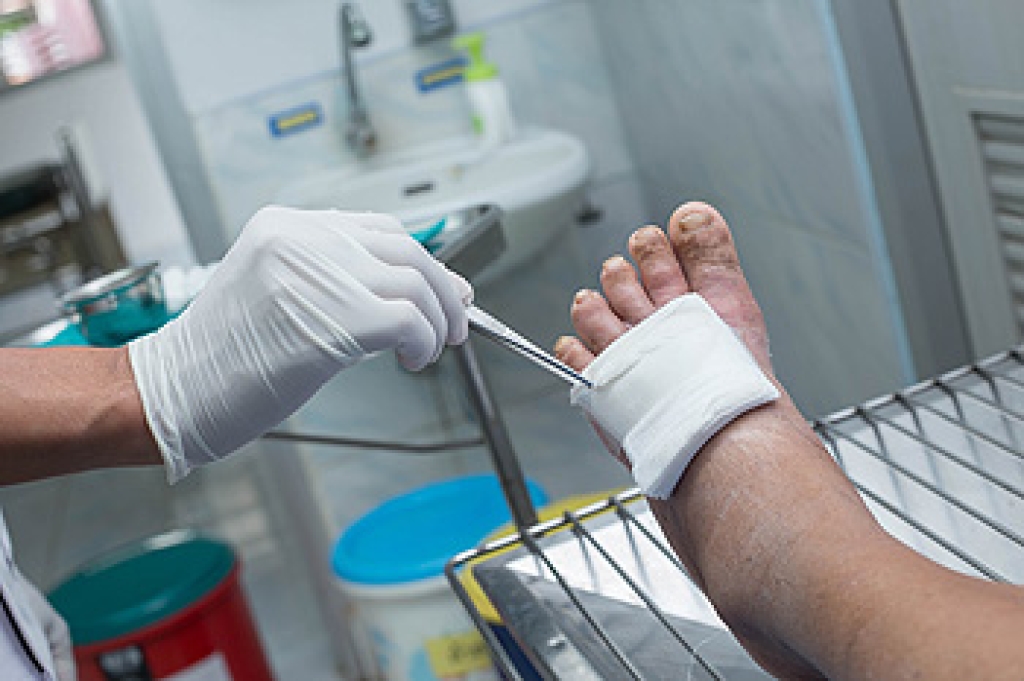
Wound care is an important part in dealing with diabetes. If you have diabetes and a foot wound or would like more information about wound care for diabetics, consult with Darron Barrus, DPM from Shelby Podiatry. Our doctor will assess your condition and provide you with quality foot and ankle treatment.

What Is Wound Care?

Wound care is the practice of taking proper care of a wound. This can range from the smallest to the largest of wounds. While everyone can benefit from proper wound care, it is much more important for diabetics. Diabetics often suffer from poor blood circulation which causes wounds to heal much slower than they would in a non-diabetic. 

What Is the Importance of Wound Care?

While it may not seem apparent with small ulcers on the foot, for diabetics, any size ulcer can become infected. Diabetics often also suffer from neuropathy, or nerve loss. This means they might not even feel when they have an ulcer on their foot. If the wound becomes severely infected, amputation may be necessary. Therefore, it is of the upmost importance to properly care for any and all foot wounds.

How to Care for Wounds

The best way to care for foot wounds is to prevent them. For diabetics, this means daily inspections of the feet for any signs of abnormalities or ulcers. It is also recommended to see a podiatrist several times a year for a foot inspection. If you do have an ulcer, run the wound under water to clear dirt from the wound; then apply antibiotic ointment to the wound and cover with a bandage. Bandages should be changed daily and keeping pressure off the wound is smart. It is advised to see a podiatrist, who can keep an eye on it.

If you have any questions please contact our office located in Alabaster, AL . We offer the newest diagnostic and treatment technologies for all your foot and ankle needs.

Read more about Wound Care

Caring for Painful Foot Blisters

Foot blisters form when friction, heat, and moisture work together to irritate the skin. A small pocket of fluid develops as the body’s natural way of protecting deeper layers from further damage. Although they may seem minor, blisters can become painful quickly, especially when they appear on areas that bear weight or rub against shoes. Keeping the skin clean and covered is important because an open blister creates an easy path for infection. Choosing well-fitting footwear, moisture-wicking socks, and allowing your feet to dry fully after activity helps lower the chances of new blisters forming. Avoid popping a blister on your own. Recurring blisters may signal issues with gait, shoe structure, or foot mechanics. If blisters continue despite careful attention or become red, warm, or swollen, it is suggested that you see a podiatrist for proper evaluation and care.

Blisters are prone to making everyday activities extremely uncomfortable. If your feet are hurting, contact Darron Barrus, DPM of Shelby Podiatry. Our doctor can provide the care you need to keep you pain-free and on your feet.

Foot Blisters

Foot blisters develop as a result of constantly wearing tight or ill-fitting footwear. This happens due to the constant rubbing from the shoe, which can often lead to pain.

What Are Foot Blisters?

A foot blister is a small fluid-filled pocket that forms on the upper-most layer of the skin. Blisters are filled with clear fluid and can lead to blood drainage or pus if the area becomes infected.

How Do Blisters Form?

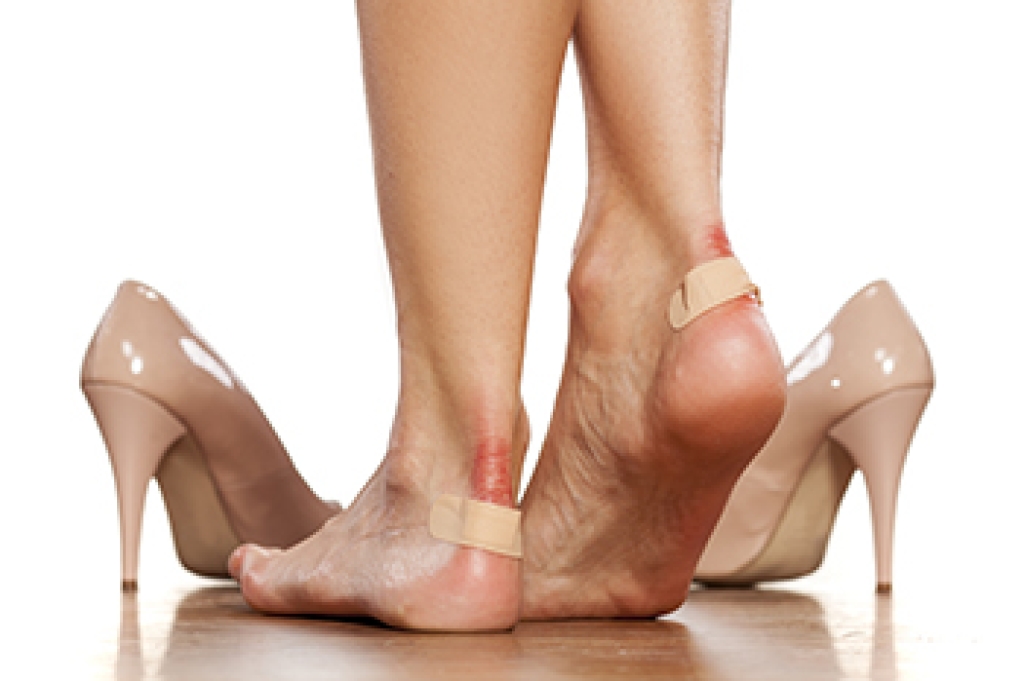
Blisters on the feet are often the result of constant friction of skin and material, usually by shoe rubbing. Walking in sandals, boots, or shoes that don’t fit properly for long periods of time can result in a blister. Having consistent foot moisture and humidity can easily lead to blister formation.

Prevention & Treatment

It is important to properly care for the affected area in order to prevent infection and ease the pain. Do not lance the blister and use a Band-Aid to provide pain relief. Also, be sure to keep your feet dry and wear proper fitting shoes. If you see blood or pus in a blister, seek assistance from a podiatrist.

If you have any questions, please feel free to contact our office located in Alabaster, AL . We offer the newest diagnostic and treatment technologies for all your foot care needs.

Read more about Blisters

When Foot Pain and Pressure Do Not Line Up

Foot pain is often thought to come from areas that carry the most pressure, but this is not always true. Pain in one part of the foot does not always match areas with more or less pressure. Some people feel pain in spots that handle a normal amount of weight, while other areas carry more force without causing any discomfort. This highlights how complex foot function can be. Structure, gait, joint movement, and nerve sensitivity all influence how and where pain develops. Because of this, adding cushioning or changing shoes alone may not address the real cause. A detailed evaluation that looks at how your foot moves and bears weight is important for effective care. If you are dealing with ongoing or unclear foot pain, it is suggested that you see a podiatrist for a proper diagnosis and appropriate treatment.

Foot Pain

Foot pain can be extremely painful and debilitating. If you have a foot pain, consult with Darron Barrus, DPM from Shelby Podiatry. Our doctor will assess your condition and provide you with quality foot and ankle treatment.

Causes

Foot pain is a very broad condition that could be caused by one or more ailments. The most common include:

  • Bunions
  • Hammertoes
  • Plantar Fasciitis
  • Bone Spurs
  • Corns
  • Tarsal Tunnel Syndrome
  • Ingrown Toenails
  • Arthritis (such as Gout, Rheumatoid, and Osteoarthritis)
  • Flat Feet
  • Injury (from stress fractures, broken toe, foot, ankle, Achilles tendon ruptures, and sprains)
  • And more

Diagnosis

To figure out the cause of foot pain, podiatrists utilize several different methods. This can range from simple visual inspections and sensation tests to X-rays and MRI scans. Prior medical history, family medical history, and any recent physical traumatic events will all be taken into consideration for a proper diagnosis.

Treatment

Treatment depends upon the cause of the foot pain. Whether it is resting, staying off the foot, or having surgery; podiatrists have a number of treatment options available for foot pain.

If you have any questions, please feel free to contact our office located in Alabaster, AL . We offer the newest diagnostic and treatment technologies for all your foot care needs.

Read more about Foot Pain

Get Proper Treatment for Ankle Injuries

If you're experiencing ankle pain, you may be suffering from an ankle injury. Sprains, fractures, Achilles tendonitis, and Achilles tendon ruptures are just some examples of potential ankle injuries. Don't wait for care for an ankle injury, as it may worsen over time. We can help!

Connect With Us

scroll to top