How Foot Shape Can Affect Pain and Balance

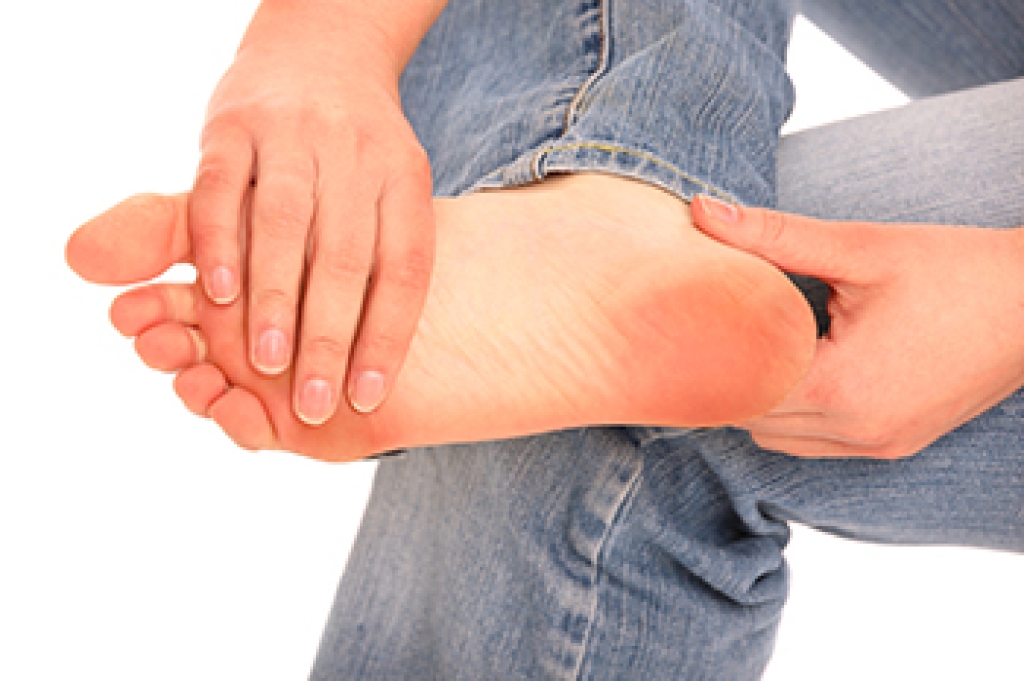
The structure of the foot can play a major role in discomfort, stability, and the way a person stands or walks. Some people have very low arches, while others have arches that are unusually high, and both foot types may place stress on the body in different ways. Changes in foot shape can affect how weight is distributed across the front and back of the foot, which may lead to strain, fatigue, or ongoing soreness. Uneven arches between the two feet can also influence balance and posture, forcing the body to work harder to remain steady while standing. Over time, these changes may contribute to foot pain, instability, or difficulty with daily movement. A podiatrist can evaluate foot alignment, examine walking patterns, and recommend treatment options that improve comfort and support. If you have persistent foot pain or balance problems, it is suggested that you consult a podiatrist for proper evaluation and appropriate care.

Foot Pain

Foot pain can be extremely painful and debilitating. If you have a foot pain, consult with Darron Barrus, DPM from Shelby Podiatry. Our doctor will assess your condition and provide you with quality foot and ankle treatment.

Causes

Foot pain is a very broad condition that could be caused by one or more ailments. The most common include:

  • Bunions
  • Hammertoes
  • Plantar Fasciitis
  • Bone Spurs
  • Corns
  • Tarsal Tunnel Syndrome
  • Ingrown Toenails
  • Arthritis (such as Gout, Rheumatoid, and Osteoarthritis)
  • Flat Feet
  • Injury (from stress fractures, broken toe, foot, ankle, Achilles tendon ruptures, and sprains)
  • And more

Diagnosis

To figure out the cause of foot pain, podiatrists utilize several different methods. This can range from simple visual inspections and sensation tests to X-rays and MRI scans. Prior medical history, family medical history, and any recent physical traumatic events will all be taken into consideration for a proper diagnosis.

Treatment

Treatment depends upon the cause of the foot pain. Whether it is resting, staying off the foot, or having surgery; podiatrists have a number of treatment options available for foot pain.

If you have any questions, please feel free to contact our office located in Alabaster, AL . We offer the newest diagnostic and treatment technologies for all your foot care needs.
Read more about Foot Pain

Sever’s Disease and Heel Pain in Growing Children

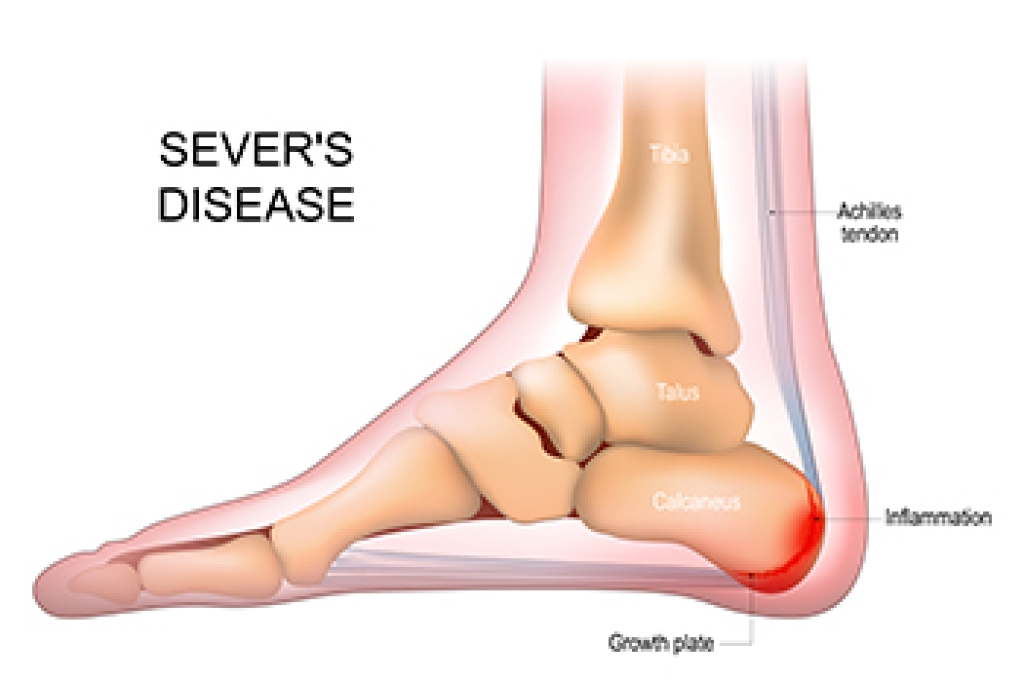
Sever’s disease is a common cause of heel pain in growing children. It is related to irritation of the growth plate in this area. It most often affects active children during growth spurts when bones, muscles, and tendons are developing at different rates. Risk factors include participation in sports, tight calf muscles, and repetitive stress on the heel. Symptoms include heel pain during activity, tenderness, and limping. Discomfort often improves with rest, but can return with movement. A podiatrist can evaluate the condition, and recommend stretching, supportive footwear, and other treatments to reduce strain and promote healing. Early care can improve comfort and prevent ongoing issues. If your active child has heel pain, it is suggested that you consult a podiatrist who can accurately diagnose the problem.

Sever's disease often occurs in children and teens. If your child is experiencing foot or ankle pain, see Darron Barrus, DPM from Shelby Podiatry. Our doctor can treat your child’s foot and ankle needs.

Sever’s Disease

Sever’s disease is also known as calcaneal apophysitis, which is a medical condition that causes heel pain I none or both feet. The disease is known to affect children between the ages of 8 and 14.

Sever’s disease occurs when part of the child’s heel known as the growth plate (calcaneal epiphysis) is attached to the Achilles tendon. This area can suffer injury when the muscles and tendons of the growing foot do not keep pace with bone growth. Therefore, the constant pain which one experiences at the back of the heel will make the child unable to put any weight on the heel. The child is then forced to walk on their toes.

Symptoms

Acute pain – Pain associated with Sever’s disease is usually felt in the heel when the child engages in physical activity such as walking, jumping and or running.

Highly active – Children who are very active are among the most susceptible in experiencing Sever’s disease, because of the stress and tension placed on their feet.

If you have any questions, please feel free to contact our office located in Alabaster, AL . We offer the newest diagnostic and treatment technologies for all your foot care needs.
Read more about Sever's Disease

Causes and Risks of Ingrown Toenails

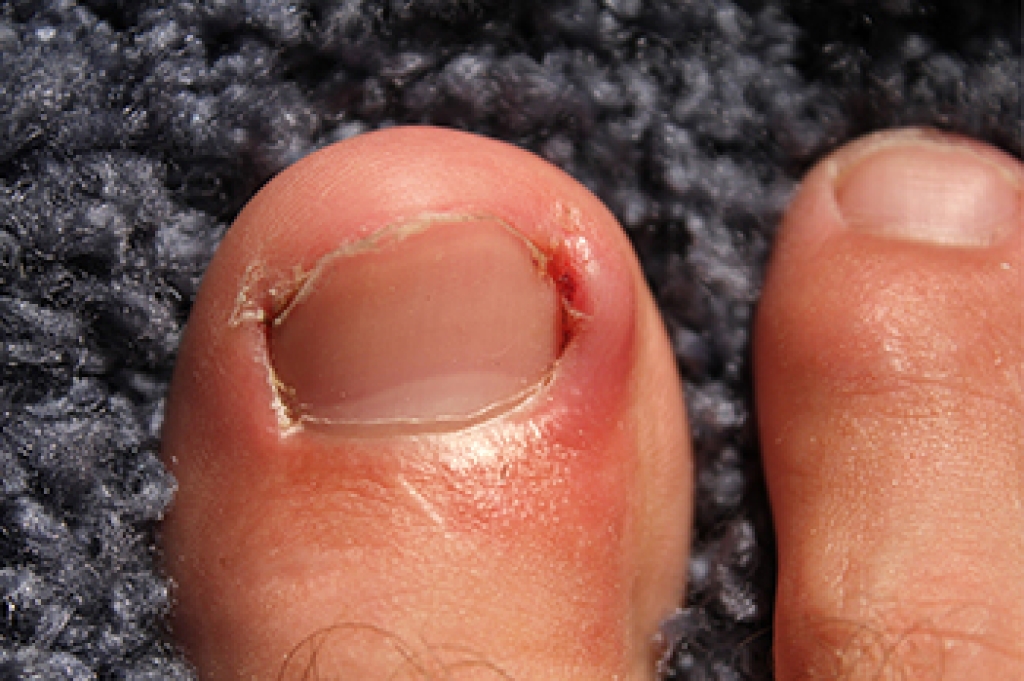
An ingrown toenail occurs when the edge of a nail grows into the surrounding skin, most often on the big toe, causing pain, redness, and swelling. This usually happens from cutting nails too short, rounding the edges, wearing tight shoes, or injuring the toe. If not treated, the area can become infected, leading to a condition called paronychia, where bacteria or fungi invade the skin surrounding the nail. This may cause pus, increased pain, and further swelling. In rare cases, complications like skin damage or deeper infections can develop, especially in people with diabetes. Mild cases can often be managed with conservative care. However, more severe cases with significant pain or infection may require more advanced medical treatment, including minor procedures to remove part of the nail and prevent recurrence. If you have a painful ingrown toenail, it is suggested that you see a podiatrist for effective relief and treatment solutions.

Ingrown toenails can become painful if they are not treated properly. For more information about ingrown toenails, contact Darron Barrus, DPM of Shelby Podiatry. Our doctor can provide the care you need to keep you pain-free and on your feet.

Ingrown Toenails

Ingrown toenails occur when a toenail grows sideways into the bed of the nail, causing pain, swelling, and possibly infection.

Causes

  • Bacterial infections
  • Improper nail cutting such as cutting it too short or not straight across
  • Trauma to the toe, such as stubbing, which causes the nail to grow back irregularly
  • Ill-fitting shoes that bunch the toes too close together
  • Genetic predisposition

Prevention

Wearing proper fitting shoes and using proper cutting techniques will also help decrease your risk of developing ingrown toenails.

Treatment

Ingrown toenails are a very treatable foot condition. In minor cases, soaking the affected area in salt or antibacterial soaps will not only help with the ingrown nail itself, but also help prevent any infections from occurring. In more severe cases, surgery is an option. In either case, speaking to your podiatrist about this condition will help you get a better understanding of specific treatment options that are right for you.

If you have any questions, please feel free to contact our office located in Alabaster, AL . We offer the newest diagnostic and treatment technologies for all your foot care needs.

Read more about Ingrown Toenail Care

Skin That Hardens and Cracks

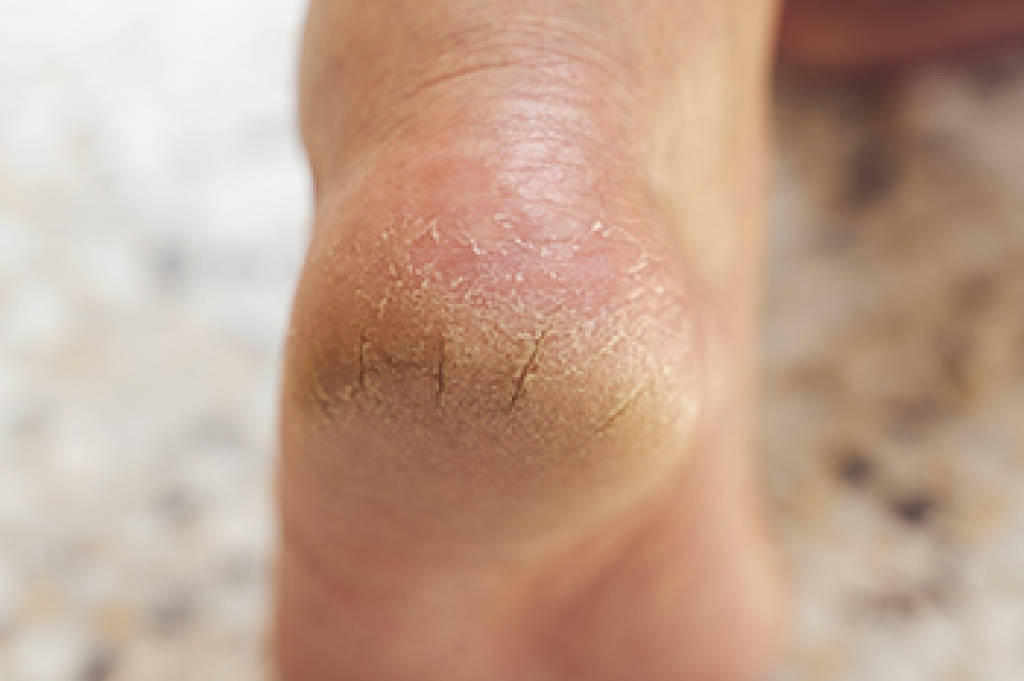
Cracked heels and callouses develop when the skin on the feet becomes thick, dry, and less flexible. Callouses form as a protective response to repeated pressure or friction, often appearing on the heels or balls of the feet. Over time, the skin may become excessively thick and begin to split, leading to painful fissures in the heel. These cracks may look like deep lines in the skin and can feel tender, especially when standing or walking. Contributing factors include standing for a long time, wearing open back shoes, dry skin, and certain medical conditions that affect skin health. A podiatrist can evaluate the severity of the callous buildup and determine whether there are underlying causes. Treatment includes careful removal of thickened skin, moisturizing routines to restore flexibility, and prescribing custom orthotics to reduce pressure. Early care helps prevent deeper cracks and possible infection. If you have cracked heels or callouses that have become painful, it is suggested that you make an appointment with a podiatrist.
 

Cracked heels are unsightly and can cause further damage to your shoes and feet. If you have any concerns, contact Darron Barrus, DPM from Shelby Podiatry. Our doctor can provide the care you need to keep you pain-free and on your feet.

Cracked Heels

Cracked heels appear unappealing and can make it harder for you walk around in sandals. Aside from looking unpleasant, cracked heels can also tear stockings, socks, and wear out your shoes. There are several methods to help restore a cracked heel and prevent further damage.

How Do You Get Them?

Dry skin is the number one culprit in creating cracked heels. Many athletes, walkers, joggers, and even swimmers suffer from cracked heels. Age and skin oil production play a role to getting cracked heels as well.

Promote Healing

Over the counter medicines can help, especially for those that need instant relief or who suffer from chronic dry feet.

Wear Socks – Wearing socks with medicated creams helps lock in moisture.

Moisturizers – Applying both day and night will help alleviate dryness which causes cracking.

Pumice Stones – These exfoliate and remove dead skin, which allows for smoother moisturizer application and better absorption into the skin. 

Change in Diet

Eating healthy with a well-balanced diet will give the skin a fresh and radiant look. Your body responds to the kinds of food you ingest. Omega-3 fatty acids and zinc supplements can also revitalize skin tissue.

Most importantly, seek professional help if unsure how to proceed in treating cracked heels. A podiatrist will help you with any questions or information needed. 

If you have any questions, please feel free to contact our office located in Alabaster, AL . We offer the newest diagnostic and treatment technologies for all your foot care needs.

Read more about Solutions for Cracked Heels

Connect With Us

scroll to top