How Peripheral Artery Disease Affects Foot Health

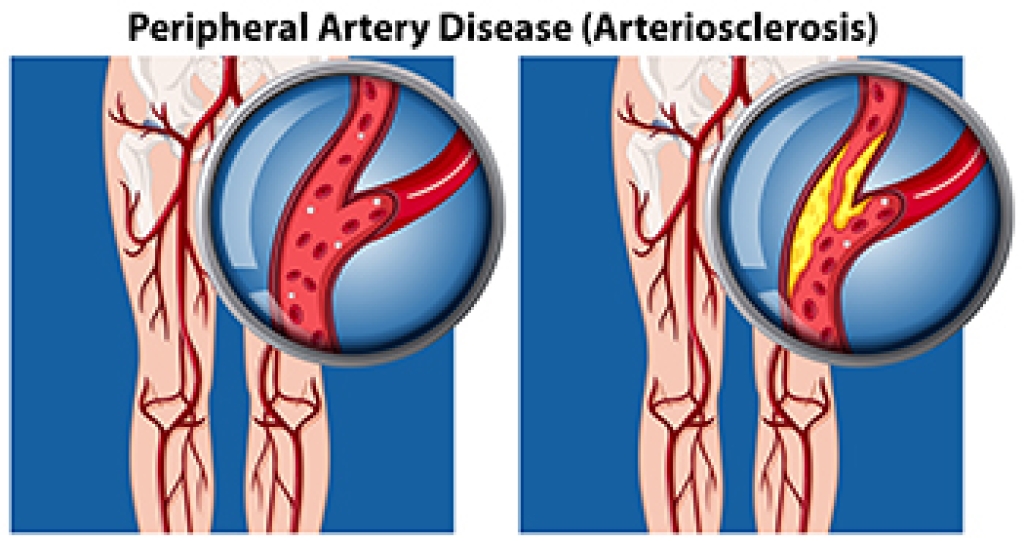
Peripheral artery disease, or PAD, develops when the arteries that carry oxygen-rich blood become narrowed by fatty deposits called plaque. As blood flow decreases, the feet and legs receive less oxygen and fewer nutrients. This can cause pain, slow healing, and changes in skin health. Smoking is a leading risk factor, although diabetes, increasing age, and high cholesterol may also contribute. Symptoms include cramping in the calves while walking, numbness, or feet that look pale or slightly bluish. Small cuts or sores can heal very slowly because healthy circulation is limited. Since these symptoms can resemble other foot problems, a careful evaluation by a podiatrist is important to identify the true cause.

A podiatrist plays an important role in recognizing signs of PAD before serious complications develop. The examination includes checking the skin, nails, temperature, and pulses in the feet. It also includes asking questions about pain while walking and changes in activity. Diagnostic testing can measure blood flow and help determine whether narrowed arteries are affecting the feet. Early diagnosis helps protect foot health and lowers the risk of severe tissue damage. In advanced cases, poor circulation can increase the chance of infection, open wounds, or loss of tissue. A podiatrist can coordinate care with other healthcare providers when circulation problems require additional evaluation.

Regular foot examinations are especially important for people with PAD because reduced blood flow makes even minor foot problems more difficult to heal. A podiatrist can monitor changes in circulation, treat foot wounds, and reduce pressure on affected areas. These measures can help prevent complications that threaten mobility. Professional podiatric care also helps identify warning signs before they become more serious. Prompt attention to pain, skin changes, or slow-healing sores can protect the feet and support better long-term health. If you have symptoms of peripheral artery disease that affect your feet, it is suggested that you schedule an appointment with a podiatrist for effective relief and management solutions.

Peripheral artery disease can pose a serious risk to your health. It can increase the risk of stroke and heart attack. If you have symptoms of peripheral artery disease, consult with Darron Barrus, DPM from Shelby Podiatry. Our doctor will assess your condition and provide you with quality foot and ankle treatment.

Peripheral artery disease (PAD) is when arteries are constricted due to plaque (fatty deposits) build-up. This results in less blood flow to the legs and other extremities. The main cause of PAD is atherosclerosis, in which plaque builds up in the arteries.

Symptoms

Symptoms of PAD include:

  • Claudication (leg pain from walking)
  • Numbness in legs
  • Decrease in growth of leg hair and toenails
  • Paleness of the skin
  • Erectile dysfunction
  • Sores and wounds on legs and feet that won’t heal
  • Coldness in one leg

It is important to note that a majority of individuals never show any symptoms of PAD.

Diagnosis

While PAD occurs in the legs and arteries, Podiatrists can diagnose PAD. Podiatrists utilize a test called an ankle-brachial index (ABI). An ABI test compares blood pressure in your arm to you ankle to see if any abnormality occurs. Ultrasound and imaging devices may also be used.

Treatment

Fortunately, lifestyle changes such as maintaining a healthy diet, exercising, managing cholesterol and blood sugar levels, and quitting smoking, can all treat PAD. Medications that prevent clots from occurring can be prescribed. Finally, in some cases, surgery may be recommended.

If you have any questions, please feel free to contact our office located in Alabaster, AL . We offer the newest diagnostic and treatment technologies for all your foot care needs.

Read more about Peripheral Artery Disease

Plantar Wart Symptoms and Effective Treatment

Plantar warts are growths that develop on the bottom of the foot after the skin becomes infected with the human papillomavirus, or HPV. This is a virus that enters through tiny breaks in the skin. These warts usually appear on weight-bearing areas like the heel or the ball of the foot, where pressure pushes them inward instead of outward. As a result, walking can become painful, and some people feel like they are stepping on a small pebble. Plantar warts can appear alone or in groups. They also have tiny black dots that are small, clotted blood vessels. A podiatrist can examine the affected area and determine whether the growth is a plantar wart or another foot condition.

Several factors increase the chance of developing plantar warts. Walking barefoot in public places, like locker rooms or swimming pool areas, raises the risk of exposure to the virus. Children, teenagers, and people with weakened immune systems are also more likely to develop these warts. The location of a plantar wart can change the way a person walks, which sometimes leads to discomfort in other parts of the foot. A podiatrist performs a thorough examination and can diagnose plantar warts by their appearance and location. In some cases, additional testing helps confirm the diagnosis and rule out other skin conditions.

Treatment depends on the size, location, and number of plantar warts. A podiatrist can remove layers of the wart, apply prescription-strength medications, or use freezing treatments to destroy the infected tissue. Some patients benefit from laser treatment or another advanced procedure for stubborn warts. Surgery is recommended in certain cases when other treatments do not provide enough improvement. Prompt treatment helps reduce pain, improve comfort while walking, and lower the chance of the wart spreading to nearby skin. If you have developed one or more plantar warts, it is suggested that you schedule an appointment with a podiatrist for effective relief and treatment solutions.

Plantar warts can be very uncomfortable. If you need your feet checked, contact Darron Barrus, DPM from Shelby Podiatry. Our doctor will assist you with all of your foot and ankle needs.

About Plantar Warts

Plantar warts are the result of HPV, or human papillomavirus, getting into open wounds on the feet. They are mostly found on the heels or balls of the feet.

While plantar warts are generally harmless, those experiencing excessive pain or those suffering from diabetes or a compromised immune system require immediate medical care. Plantar warts are easily diagnosed, usually through scraping off a bit of rough skin or by getting a biopsy.

Symptoms

  • Lesions on the bottom of your feet, usually rough and grainy
  • Hard or thick callused spots
  • Wart seeds, which are small clotted blood vessels that look like little black spots
  • Pain, discomfort, or tenderness of your feet when walking or standing

Treatment

  • Freezing
  • Electric tool removal
  • Laser Treatment
  • Topical Creams (prescription only)
  • Over-the-counter medications

To help prevent developing plantar warts, avoid walking barefoot over abrasive surfaces that can cause cuts or wounds for HPV to get into. Avoiding direct contact with other warts, as well as not picking or rubbing existing warts, can help prevent the further spread of plantar warts. However, if you think you have developed plantar warts, speak to your podiatrist. He or she can diagnose the warts on your feet and recommend the appropriate treatment options.

If you have any questions, please feel free to contact our office located in Alabaster, AL . We offer the newest diagnostic and treatment technologies for all your foot care needs.

Read more about What Are Plantar Warts?

Reasons Cracked Heels Develop

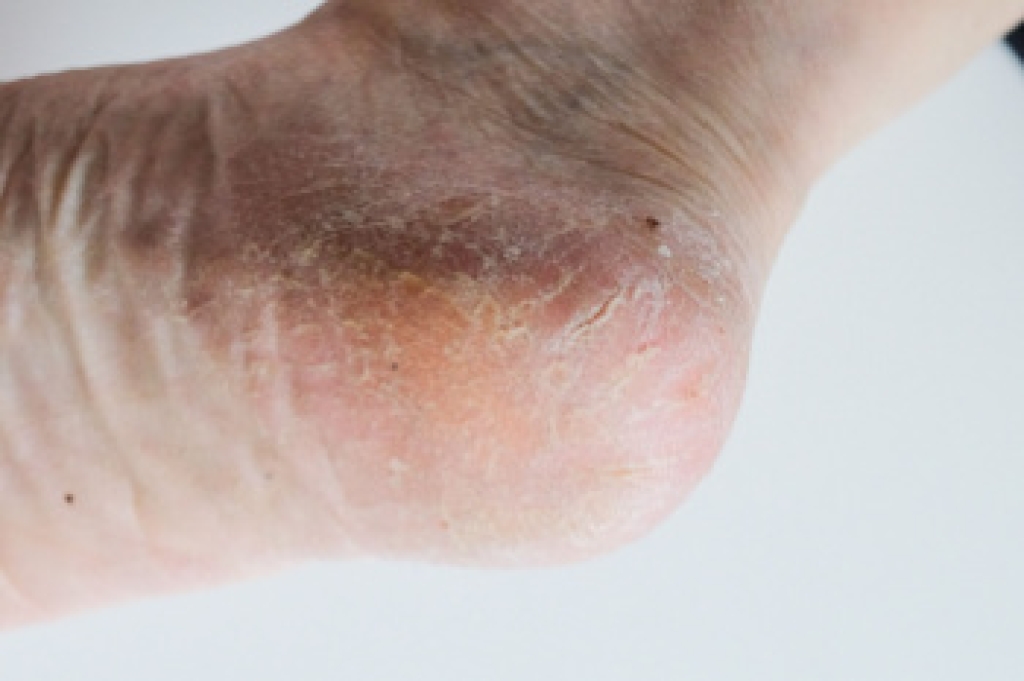
Cracked heels are splits in the heel that develop when dry or thickened skin loses flexibility. This condition can cause discomfort, and, in more severe cases, pain with walking. Common causes include wearing open back footwear, aging skin that loses moisture, and weight gain that increases pressure on the heels, in addition to vitamin deficiency, and long periods of standing. Symptoms may include dry, rough skin, flaking, and visible cracks that can deepen over time. Risk factors include poor foot care and lack of proper hydration for the skin. A podiatrist can safely treat cracked heels and recommend moisturizing and protective solutions. If your cracked heels are painful or worsening, it is suggested that you consult a podiatrist who can offer effective relief and treatment solutions, which may include prescribed medication.

If the skin on your feet starts to crack, you may want to see a podiatrist to find treatment. If you have any concerns, contact Darron Barrus, DPM from Shelby Podiatry. Our doctor can provide the care you need to keep you pain-free and on your feet.

Cracked Heels

It is important to moisturize your cracked heels in order to prevent pain, bleeding, and infection. The reason cracked heels form is because the skin on the foot is too dry to support the immense pressure placed on them. When the foot expands, the dry skin on the foot begins to split.

Ways to Help Heal Them

  • Invest in a good foot cream
  • Try Using Petroleum Jelly
  • Ease up on Soaps
  • Drink Plenty of Water

Ways to Prevent Cracked Heels

  • Moisturize After Showering
  • Skip a Shower
  • Keep Shower Water Lukewarm
  • Don’t Scrub Your Feet

If you are unsure how to proceed in treating cracked heels, seek guidance from a podiatrist. Your doctor will help you with any questions or information you may need. 

If you have any questions, please feel free to contact our office located in Alabaster, AL . We offer the newest diagnostic and treatment technologies for all your foot care needs.

Read more about Solutions for Cracked Heels

Connect With Us

scroll to top