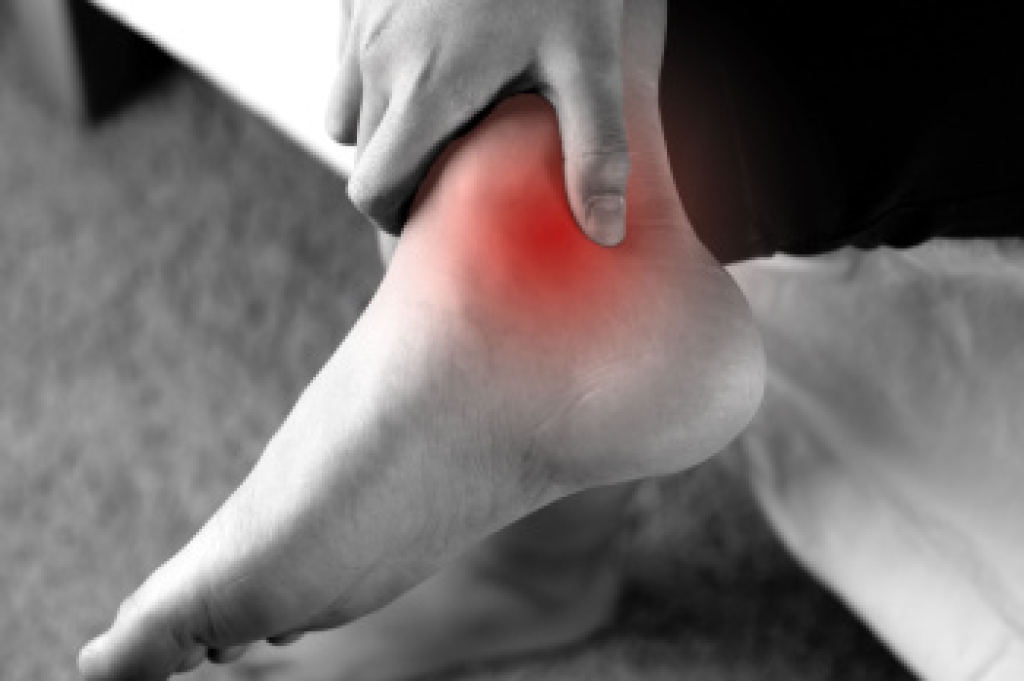
Common Ankle Injuries in Skateboarding and How to Prevent Them

Ankle injuries are common in skateboarding as the result of quick direction changes, jumps, and sudden landings. One frequent injury is an ankle sprain, which occurs when ligaments that support the ankle stretch or tear. Inversion sprains happen when the foot rolls inward, placing stress on the outer ankle ligaments, and eversion sprains occur when the foot rolls outward and strain the inner ligaments. Sprains are also classified by severity. A Grade I sprain involves mild ligament stretching, while a Grade II sprain includes partial ligament tearing. A Grade III sprain involves a complete ligament tear and significant instability. Risk factors include uneven landings, improper footwear, and previous injuries. A podiatrist can evaluate ankle stability and guide recovery. If you enjoy skateboarding and have injured your ankle, it is suggested that you consult a podiatrist who can offer effective relief and treatment solutions.

Sports related foot and ankle injuries require proper treatment before players can go back to their regular routines. For more information, contact Darron Barrus, DPM of Shelby Podiatry. Our doctor can provide the care you need to keep you pain-free and on your feet.

Sports Related Foot and Ankle Injuries

Foot and ankle injuries are a common occurrence when it comes to athletes of any sport. While many athletes dismiss the initial aches and pains, the truth is that ignoring potential foot and ankle injuries can lead to serious problems. As athletes continue to place pressure and strain the area further, a mild injury can turn into something as serious as a rupture and may lead to a permanent disability. There are many factors that contribute to sports related foot and ankle injuries, which include failure to warm up properly, not providing support or wearing bad footwear. Common injuries and conditions athletes face, including:

  • Plantar Fasciitis
  • Achilles Tendinitis
  • Achilles Tendon Rupture
  • Ankle Sprains

Sports related injuries are commonly treated using the RICE method. This includes rest, applying ice to the injured area, compression and elevating the ankle. More serious sprains and injuries may require surgery, which could include arthroscopic and reconstructive surgery. Rehabilitation and therapy may also be required in order to get any recovering athlete to become fully functional again. Any unusual aches and pains an athlete sustains must be evaluated by a licensed, reputable medical professional.

If you have any questions please contact our office located in Alabaster, AL . We offer the newest diagnostic and treatment technologies for all your foot and ankle needs.


Read more about Sports Related Foot And Ankle Injuries

Ease Painful Feet With Orthotics

Custom orthotics can be used to relieve foot pain and discomfort. They're also used to treat various foot conditions and deformities. Flat feet, bunions, and Morton's neuroma are just a few of the foot conditions that have been known to benefit from the use of orthotics.

Comfy feet are happy feet! Contact us today.

A Closer Look at Painful Ingrown Toenails

Ingrown toenails are a common foot problem seen by podiatrists, often affecting the big toe. They occur when the edge of the nail grows into the surrounding skin instead of over it. The area may be red, swollen, or even infected, sometimes with drainage or overgrown skin. It often feels sore at first, then progresses to sharp pain, throbbing, and discomfort when walking or wearing shoes. Causes include improper nail trimming, tight footwear, and genetics. A podiatrist can help from the start by properly diagnosing the condition and ruling out infection or other nail disorders. Treatment may begin with gentle nail care and inflammation control, then move into in-office procedures to remove the ingrown portion of the nail. Ongoing care may include prevention guidance, nail correction, or permanent solutions when needed. Early treatment helps prevent infection and ongoing pain. If you have a painful ingrown toenail, it is suggested that you make an appointment with a podiatrist.

Ingrown toenails can become painful if they are not treated properly. For more information about ingrown toenails, contact Darron Barrus, DPM of Shelby Podiatry. Our doctor can provide the care you need to keep you pain-free and on your feet.

Ingrown Toenails

Ingrown toenails occur when a toenail grows sideways into the bed of the nail, causing pain, swelling, and possibly infection.

Causes

  • Bacterial infections
  • Improper nail cutting such as cutting it too short or not straight across
  • Trauma to the toe, such as stubbing, which causes the nail to grow back irregularly
  • Ill-fitting shoes that bunch the toes too close together
  • Genetic predisposition

Prevention

Wearing proper fitting shoes and using proper cutting techniques will also help decrease your risk of developing ingrown toenails.

Treatment

Ingrown toenails are a very treatable foot condition. In minor cases, soaking the affected area in salt or antibacterial soaps will not only help with the ingrown nail itself, but also help prevent any infections from occurring. In more severe cases, surgery is an option. In either case, speaking to your podiatrist about this condition will help you get a better understanding of specific treatment options that are right for you.

If you have any questions, please feel free to contact our office located in Alabaster, AL . We offer the newest diagnostic and treatment technologies for all your foot care needs.

Read more about Ingrown Toenails

How a Podiatrist Can Help Reduce Your Risk of Falls

Falls can cause serious injuries and reduce a person’s confidence while standing or walking. Older adults face a greater risk, but many factors can increase the chance of falling. Muscle weakness, poor balance, and problems with walking can make it harder to stay steady. Foot pain can also change the way a person walks and increase instability. Falls are not an unavoidable part of aging. Identifying personal risk factors is an important part of preventing falls and protecting long-term mobility.

Foot health plays an important role in safe movement. Painful foot conditions can affect balance and make each step less secure. Reduced sensation in the feet can also make it harder to notice changes in the ground. Wearing shoes that lack proper support or do not fit correctly can add to instability. Certain medications, poor vision, and long-term health conditions can also increase fall risk. A previous fall is another important warning sign. When several risk factors are present, a person can have more difficulty moving safely and confidently.

A podiatrist can evaluate the feet and ankles to identify problems that could affect balance or walking. The evaluation can include foot structure, joint movement, and areas of pain. A podiatrist can also examine how a patient walks and determine whether foot problems are contributing to instability. Treatment can address painful conditions and other problems that interfere with safe movement. A podiatrist can also provide guidance about shoes that fit correctly and offer proper support. Addressing foot-related risk factors can help patients maintain mobility and reduce their chances of falling. If you have balance problems that may lead to an increased risk of falls, it is suggested that you schedule an appointment with a podiatrist for a diagnosis and effective relief tips.

Preventing falls among the elderly is very important. If you are older and have fallen or fear that you are prone to falling, consult with Darron Barrus, DPM from Shelby Podiatry. Our doctor will assess your condition and provide you with quality advice and care.

Every 11 seconds, an elderly American is being treated in an emergency room for a fall related injury. Falls are the leading cause of head and hip injuries for those 65 and older. Due to decreases in strength, balance, senses, and lack of awareness, elderly persons are very susceptible to falling. Thankfully, there are a number of things older persons can do to prevent falls.

How to Prevent Falls

Some effective methods that older persons can do to prevent falls include:

  • Enrolling in strength and balance exercise program to increase balance and strength
  • Periodically having your sight and hearing checked
  • Discuss any medications you have with a doctor to see if it increases the risk of falling
  • Clearing the house of falling hazards and installing devices like grab bars and railings
  • Utilizing a walker or cane
  • Wearing shoes that provide good support and cushioning
  • Talking to family members about falling and increasing awareness

Falling can be a traumatic and embarrassing experience for elderly persons; this can make them less willing to leave the house, and less willing to talk to someone about their fears of falling. Doing such things, however, will increase the likelihood of tripping or losing one’s balance. Knowing the causes of falling and how to prevent them is the best way to mitigate the risk of serious injury.  

If you have any questions, please feel free to contact our office located in Alabaster, AL . We offer the newest diagnostic and treatment technologies for all your foot care needs.

Read more about Falls Prevention

Tarsal Tunnel Syndrome and Nerve Pain in the Foot

Tarsal tunnel syndrome is a nerve condition that develops when the posterior tibial nerve becomes compressed as it travels through a narrow passage near the inside of the ankle. This tunnel is located between the ankle bone and the surrounding soft tissues, with the nerve continuing into the foot. When pressure affects the nerve, symptoms can develop along the inner ankle, heel, and bottom of the foot. People may experience tingling, numbness, or shooting pain. 

Several factors can contribute to tarsal tunnel syndrome. An ankle injury or swelling may increase pressure around the nerve. Flat feet can also change foot alignment and place additional strain on the nerve whle walking. Other risk factors include repetitive activity, arthritis, and abnormal foot mechanics. Some people describe a burning sensation that travels from the inside of the ankle toward the sole of the foot. In more advanced cases, numbness or weakness may affect normal foot function.


A podiatrist can evaluate symptoms and determine whether tarsal tunnel syndrome is causing the discomfort. The examination may include reviewing medical history, checking sensation, and observing walking mechanics. The podiatrist may also perform specific nerve assessments and recommend imaging or nerve testing when appropriate. Treatment depends on the underlying cause and may include activity modification, supportive footwear, or measures to reduce swelling and pressure surrounding the nerve. Treating an underlying foot or ankle problem can also help reduce nerve irritation.


Early evaluation may help prevent consistent nerve compression from interfering with walking and daily activities. Persistent tingling or burning should not be dismissed as ordinary foot fatigue, particularly when symptoms repeatedly occur in the same area. A personalized treatment plan can address both the nerve irritation and the mechanical factors contributing to symptoms. If you have pain in this part of your foot, it is suggested that you consult a podiatrist who can accurately diagnose and treat tarsal tunnel syndrome. 

Tarsal tunnel syndrome can be very uncomfortable to live with. If you are experiencing tarsal tunnel syndrome, contact Darron Barrus, DPM of Shelby Podiatry. Our doctor can provide the care you need to keep you pain-free and on your feet.

Tarsal Tunnel Syndrome

Tarsal tunnel syndrome, which can also be called tibial nerve dysfunction, is an uncommon condition of misfiring peripheral nerves in the foot. The tibial nerve is the peripheral nerve in the leg responsible for sensation and movement of the foot and calf muscles. In tarsal tunnel syndrome, the tibial nerve is damaged, causing problems with movement and feeling in the foot of the affected leg.

Common Cause of Tarsal Tunnel Syndrome

  • Involves pressure or an injury, direct pressure on the tibial nerve for an extended period of time, sometimes caused by other body structures close by or near the knee.
  • Diseases that damage nerves, including diabetes, may cause tarsal tunnel syndrome.
  • At times, tarsal tunnel syndrome can appear without an obvious cause in some cases.

The Effects of Tarsal Tunnel Syndrome

  • Different sensations, an afflicted person may experience pain, tingling, burning or other unusual sensations in the foot of the affected leg.
  • The foot muscles, toes and ankle become weaker, and curling your toes or flexing your foot can become difficult.
  • If condition worsens, infections and ulcers may develop on the foot that is experiencing the syndrome.

A physical exam of the leg can help identify the presence of tarsal tunnel syndrome. Medical tests, such as a nerve biopsy, are also used to diagnose the condition. Patients may receive physical therapy and prescriptive medication. In extreme cases, some may require surgery.

If you have any questions please contact our office located in Alabaster, AL . We offer the newest diagnostic and treatment technologies for all your foot and ankle needs.

Read more about Treating Tarsal Tunnel Syndrome

Connect With Us

scroll to top