Connect With Us
Blog
Items filtered by date: October 2024
Tuesday, 29 October 2024 00:00
Relief for an Ingrown Toenail
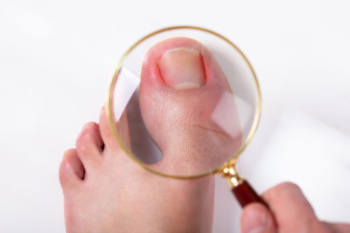
An ingrown toenail occurs when the edge of a toenail grows into the surrounding skin, leading to pain, redness, and swelling. This condition is often caused by several factors, including improper nail trimming, wearing tight footwear, or an injury to the toe. Additionally, genetic predisposition and conditions like fungal infections can contribute to the likelihood of developing an ingrown toenail. Finding relief typically involves proper care and, in more severe cases, professional treatment. Soaking the affected foot in warm, soapy water can help reduce swelling and relieve discomfort. Wearing loose-fitting shoes and avoiding pressure on the toe is important for recovery. If you have developed an ingrown toenail, it is suggested that you consult a podiatrist who can effectively treat this condition.
Ingrown toenails can become painful if they are not treated properly. For more information about ingrown toenails, contact Darron Barrus, DPM of Shelby Podiatry. Our doctor can provide the care you need to keep you pain-free and on your feet.
Ingrown Toenails
Ingrown toenails occur when a toenail grows sideways into the bed of the nail, causing pain, swelling, and possibly infection.
Causes
- Bacterial infections
- Improper nail cutting such as cutting it too short or not straight across
- Trauma to the toe, such as stubbing, which causes the nail to grow back irregularly
- Ill-fitting shoes that bunch the toes too close together
- Genetic predisposition
Prevention
Because ingrown toenails are not something found outside of shoe-wearing cultures, going barefoot as often as possible will decrease the likeliness of developing ingrown toenails. Wearing proper fitting shoes and using proper cutting techniques will also help decrease your risk of developing ingrown toenails.
Treatment
Ingrown toenails are a very treatable foot condition. In minor cases, soaking the affected area in salt or antibacterial soaps will not only help with the ingrown nail itself, but also help prevent any infections from occurring. In more severe cases, surgery is an option. In either case, speaking to your podiatrist about this condition will help you get a better understanding of specific treatment options that are right for you.
If you have any questions please feel free to contact our office located in Alabaster, AL . We offer the newest diagnostic and treatment technologies for all your foot and ankle needs.
Tuesday, 22 October 2024 00:00
Flat Feet in Children
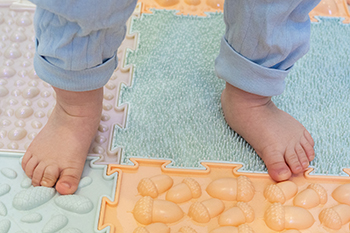
Flat feet, also known as pes planus, occur when the arch on the inside of the foot is lower than usual. Many children have flat feet until they are about five to eight years old, when natural development of the foot’s arch typically begins. By the age of 10, only about four percent of children still have flat feet. There are two main types, flexible and rigid flatfoot. Flexible flatfoot is common and usually painless, allowing an arch to appear when standing on tiptoes. In contrast, rigid flatfoot is less common, often causing stiffness and pain due to abnormal bone structure. While flexible flat feet rarely require treatment, rigid flatfoot may require an evaluation. A podiatrist can assess the condition, suggest supportive footwear, and if necessary, prescribe custom orthotics to ease discomfort. If your child has problematic flatfoot, it is suggested that you schedule an appointment with a podiatrist for an exam and treatment.
Flatfoot is a condition many people suffer from. If you have flat feet, contact Darron Barrus, DPM from Shelby Podiatry. Our doctor will treat your foot and ankle needs.
What Are Flat Feet?
Flatfoot is a condition in which the arch of the foot is depressed and the sole of the foot is almost completely in contact with the ground. About 20-30% of the population generally has flat feet because their arches never formed during growth.
Conditions & Problems:
Having flat feet makes it difficult to run or walk because of the stress placed on the ankles.
Alignment – The general alignment of your legs can be disrupted, because the ankles move inward which can cause major discomfort.
Knees – If you have complications with your knees, flat feet can be a contributor to arthritis in that area.
Symptoms
- Pain around the heel or arch area
- Trouble standing on the tip toe
- Swelling around the inside of the ankle
- Flat look to one or both feet
- Having your shoes feel uneven when worn
Treatment
If you are experiencing pain and stress on the foot you may weaken the posterior tibial tendon, which runs around the inside of the ankle.
If you have any questions please feel free to contact our office located in Alabaster, AL . We offer the newest diagnostic and treatment technologies for all your foot and ankle needs.
Tuesday, 15 October 2024 00:00
Types of Foot Pain in Cyclists
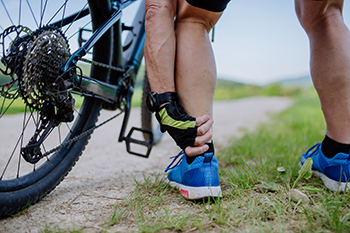
Foot pain is a common issue among cyclists, often stemming from improper bike fit or inadequate footwear. One prevalent type of pain is hot feet, which occurs when blood flow is restricted due to wearing tight shoes or poor positioning on the pedals. This sensation can lead to discomfort and fatigue during long rides. Another common complaint is arch pain, often caused by insufficient arch support in cycling shoes, leading to strain on the plantar fascia. Additionally, pain in the ball of the foot, or metatarsalgia, can result from pressure on the forefoot, especially when cycling in a forward-leaning position. Understanding these types of foot pain is essential for cyclists to make necessary adjustments, ensuring a more comfortable and enjoyable riding experience. If you enjoy cycling and have developed foot pain, it is suggested that you consult a podiatrist who can offer you advice and relief tips.
Sports related foot and ankle injuries require proper treatment before players can go back to their regular routines. For more information, contact Darron Barrus, DPM of Shelby Podiatry. Our doctor can provide the care you need to keep you pain-free and on your feet.
Sports Related Foot and Ankle Injuries
Foot and ankle injuries are a common occurrence when it comes to athletes of any sport. While many athletes dismiss the initial aches and pains, the truth is that ignoring potential foot and ankle injuries can lead to serious problems. As athletes continue to place pressure and strain the area further, a mild injury can turn into something as serious as a rupture and may lead to a permanent disability. There are many factors that contribute to sports related foot and ankle injuries, which include failure to warm up properly, not providing support or wearing bad footwear. Common injuries and conditions athletes face, including:
- Plantar Fasciitis
- Plantar Fasciosis
- Achilles Tendinitis
- Achilles Tendon Rupture
- Ankle Sprains
Sports related injuries are commonly treated using the RICE method. This includes rest, applying ice to the injured area, compression and elevating the ankle. More serious sprains and injuries may require surgery, which could include arthroscopic and reconstructive surgery. Rehabilitation and therapy may also be required in order to get any recovering athlete to become fully functional again. Any unusual aches and pains an athlete sustains must be evaluated by a licensed, reputable medical professional.
If you have any questions please feel free to contact our office located in Alabaster, AL . We offer the newest diagnostic and treatment technologies for all your foot and ankle needs.
Tuesday, 08 October 2024 00:00
Sever’s Disease and Children
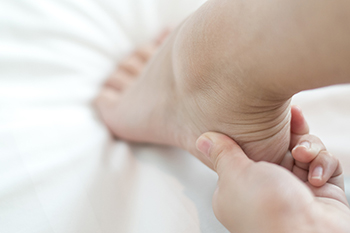
Sever's disease, or calcaneal apophysitis, affects children and adolescents, particularly those who are active in sports. It involves swelling and irritation of the growth plate in the heel, specifically the area where bone growth occurs, and is more susceptible to injury. Symptoms of Sever's disease typically include pain and tenderness in one or both heels. You might also notice swelling and redness in the heel, stiffness when first waking up, and limping or walking on tiptoes to avoid discomfort. Pain can intensify during or after physical activity and tends to improve with rest. The good news is that with proper management by a podiatrist, Sever's disease usually resolves within a few months and does not cause lasting issues. If your child is experiencing these symptoms, it is suggested you schedule an appointment with a podiatrist. They can provide guidance on treatment options to ease the pain and ensure a smooth recovery.
Sever's disease often occurs in children and teens. If your child is experiencing foot or ankle pain, see Darron Barrus, DPM from Shelby Podiatry. Our doctor can treat your child’s foot and ankle needs.
Sever’s Disease
Sever’s disease is also known as calcaneal apophysitis, which is a medical condition that causes heel pain I none or both feet. The disease is known to affect children between the ages of 8 and 14.
Sever’s disease occurs when part of the child’s heel known as the growth plate (calcaneal epiphysis) is attached to the Achilles tendon. This area can suffer injury when the muscles and tendons of the growing foot do not keep pace with bone growth. Therefore, the constant pain which one experiences at the back of the heel will make the child unable to put any weight on the heel. The child is then forced to walk on their toes.
Symptoms
Acute pain – Pain associated with Sever’s disease is usually felt in the heel when the child engages in physical activity such as walking, jumping and or running.
Highly active – Children who are very active are among the most susceptible in experiencing Sever’s disease, because of the stress and tension placed on their feet.
If you have any questions, please feel free to contact our office located in Alabaster, AL . We offer the newest diagnostic and treatment technologies for all your foot and ankle injuries.
Sunday, 06 October 2024 00:00
Reminder: When Was the Last Time...?

Custom orthotics, or shoe inserts, should be periodically replaced. Orthotics must fit properly to give you the best results. Protect your feet and ankles!
Tuesday, 01 October 2024 00:00
Common Types of Heel Spurs
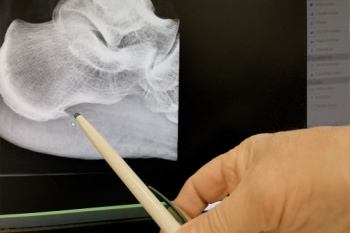
Heel spurs are bony growths that develop on the bottom or back of the heel. They are often associated with foot conditions like plantar fasciitis and Achilles tendonitis. When a spur forms on the bottom of the heel, it is typically linked to heel spur syndrome. This occurs where the plantar fascia, a band of tissue supporting the arches of the foot, connects to the heel bone. These heel spurs often develop due to stress, overuse, or some kind of injury to the heel area. Another common type is a dorsal spur. This forms at the back of the heel, where the Achilles tendon attaches. It is often the result of insertional Achilles tendonitis, or inflammation. While heel spurs are common, many people do not experience pain. However, those with symptoms may notice discomfort during walking or running. A podiatrist can diagnose the cause of your heel pain and provide custom orthotics that can help prevent further damage. If you believe you may have developed a heel spur, it is suggested that you schedule an appointment with a podiatrist for an exam and treatment.
Heel spurs can be incredibly painful and sometimes may make you unable to participate in physical activities. To get medical care for your heel spurs, contact Darron Barrus, DPM from Shelby Podiatry. Our doctor will do everything possible to treat your condition.
Heels Spurs
Heel spurs are formed by calcium deposits on the back of the foot where the heel is. This can also be caused by small fragments of bone breaking off one section of the foot, attaching onto the back of the foot. Heel spurs can also be bone growth on the back of the foot and may grow in the direction of the arch of the foot.
Older individuals usually suffer from heel spurs and pain sometimes intensifies with age. One of the main condition's spurs are related to is plantar fasciitis.
Pain
The pain associated with spurs is often because of weight placed on the feet. When someone is walking, their entire weight is concentrated on the feet. Bone spurs then have the tendency to affect other bones and tissues around the foot. As the pain continues, the feet will become tender and sensitive over time.
Treatments
There are many ways to treat heel spurs. If one is suffering from heel spurs in conjunction with pain, there are several methods for healing. Medication, surgery, and herbal care are some options.
If you have any questions feel free to contact our office located in Alabaster, AL . We offer the latest in diagnostic and treatment technology to meet your needs.
