Connect With Us
Blog
Items filtered by date: April 2025
Tuesday, 29 April 2025 00:00
Common Causes of Second Toe Pain
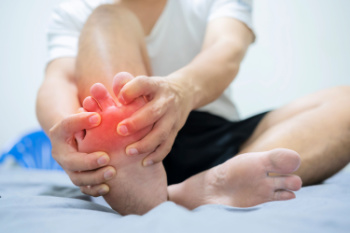
Second toe pain can result from several underlying conditions that place stress on the front of the foot. One frequent cause is capsulitis, which is the inflammation of the ligament capsule at the base of the second toe. This condition often leads to pain, swelling, and a sensation of instability. Bunions, which form at the base of the big toe, can also contribute by shifting pressure toward the second toe, causing discomfort and alignment changes. Another potential cause is metatarsalgia, a condition marked by inflammation and pain in the ball of the foot due to increased pressure on the metatarsal bones. If you have second toe pain, it is suggested that you consult a podiatrist who can offer relief and management tips.
Toe pain can disrupt your daily activities. If you have any concerns, contact Darron Barrus, DPM of Shelby Podiatry. Our doctor can provide the care you need to keep you pain-free and on your feet.
What Causes Toe Pain?
Most severe toe pain is caused due to a sports injury, trauma from dropping something heavy on the toe, or bumping into something rigid. Other problems can develop over time for various reasons.
Toe pain can be caused by one or more ailments. The most common include:
- Trauma
- Sports injury
- Wearing shoes that are too tight
- Arthritis
- Gout
- Corns and calluses
- Hammertoe
- Bunions
- Blisters
- Ingrown toenails
- Sprains
- Fractures (broken bones)
- Dislocations
When to See a Podiatrist
- Severe pain
- Persistent pain that lasts more than a week
- Signs of infection
- Continued swelling
- Pain that prevents walking
Diagnosis
In many cases the cause of toe pain is obvious, but in others, a podiatrist may want to use more advanced methods to determine the problem. These can range from simple visual inspections and sensation tests to X-rays and MRI scans. Prior medical history, family medical history, and any recent physical traumatic events will all be taken into consideration for a proper diagnosis.
Treatment
Treatments for toe pain and injuries vary and may include shoe inserts, padding, taping, medicines, injections, and in some cases, surgery. If you believe that you have broken a toe, please see a podiatrist as soon as possible.
If you have any questions please feel free to contact our office located in Alabaster, AL . We offer the newest diagnostic tools and technology to treat your foot and ankle needs.
Tuesday, 22 April 2025 00:00
Flexible Flat Feet in Children
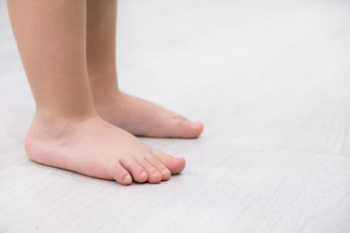
Flexible flatfoot in children occurs when the arch of the foot appears flattened during standing or walking but returns when the child is sitting or standing on tiptoe. This type of flatfoot is usually caused by laxity in ligaments and is often painless. However, some children may experience foot pain during physical activity or after long periods of standing. A podiatrist can determine whether the flatfoot is flexible or rigid through physical examination, and in some cases, digital imaging scans may be needed. Flexible flatfoot in children often improves naturally as the child matures, but treatment may be necessary if pain, fatigue, or gait abnormalities develop. In severe or persistent cases, surgery may be considered to correct deformities, especially when there is a shortened tendon or structural misalignment of the foot. If your child is complaining of foot pain that may be caused by flat feet, it is suggested that you make an immediate appointment with a podiatrist for a diagnosis and treatment options.
Flatfoot is a condition many people suffer from. If you have flat feet, contact Darron Barrus, DPM from Shelby Podiatry. Our doctor will treat your foot and ankle needs.
What Are Flat Feet?
Flatfoot is a condition in which the arch of the foot is depressed and the sole of the foot is almost completely in contact with the ground. About 20-30% of the population generally has flat feet because their arches never formed during growth.
Conditions & Problems:
Having flat feet makes it difficult to run or walk because of the stress placed on the ankles.
Alignment – The general alignment of your legs can be disrupted, because the ankles move inward which can cause major discomfort.
Knees – If you have complications with your knees, flat feet can be a contributor to arthritis in that area.
Symptoms
- Pain around the heel or arch area
- Trouble standing on the tip toe
- Swelling around the inside of the ankle
- Flat look to one or both feet
- Having your shoes feel uneven when worn
Treatment
If you are experiencing pain and stress on the foot you may weaken the posterior tibial tendon, which runs around the inside of the ankle.
If you have any questions please feel free to contact our office located in Alabaster, AL . We offer the newest diagnostic and treatment technologies for all your foot and ankle needs.
Tuesday, 15 April 2025 00:00
Managing Gait Problems in Children
Gait problems in children often begin with noticeable issues in the feet, toes, or ankles. These may include in-toeing or out-toeing. In-toeing happens when the feet point inward while walking and is often seen in younger children. It may be caused by a curved shape of the foot or the way the leg bones twist inward. Out-toeing, when the feet point outward, is more common in older children and may be due to outward twisting of the leg bones. Some children may also appear flatfooted, meaning the arches of the feet are low or missing, although the foot usually stays flexible. A podiatrist can examine how your child stands and walks to see if their walking pattern falls within normal growth changes. Many children outgrow these issues, but a podiatrist can track their progress to determine if treatment is needed. In rare cases, surgery may be recommended if the gait problem is severe and affects movement. If your child exhibits an unusual or abnormal gait, it is suggested that you schedule an appointment with a podiatrist for an exam, diagnosis, and appropriate treatment.
Making sure that your children maintain good foot health is very important as they grow. If you have any questions, contact Darron Barrus, DPM of Shelby Podiatry. Our doctor can provide the care you need to keep you pain-free and on your feet.
Keeping Children's Feet Healthy
Having healthy feet during childhood can help prevent medical problems later in life, namely in the back and legs. As children grow, their feet require different types of care. Here are some things to consider...
Although babies do not walk yet, it is still very important to take care of their feet.
Avoid putting tight shoes or socks on his or her feet.
Allow the baby to stretch and kick his or her feet to feel comfortable.
As a toddler, kids are now on the move and begin to develop differently. At this age, toddlers are getting a feel for walking, so don’t be alarmed if your toddler is unsteady or ‘walks funny’.
As your child gets older, it is important to teach them how to take care of their feet.
Show them proper hygiene to prevent infections such as fungus.
Be watchful for any pain or injury.
Have all injuries checked by a doctor as soon as possible.
Comfortable, protective shoes should always be worn, especially at play.
If you have any questions please feel free to contact our office located in Alabaster, AL . We offer the newest diagnostic and treatment technologies for all your foot and ankle needs.
Tuesday, 08 April 2025 00:00
Dealing With Diabetic Neuropathy
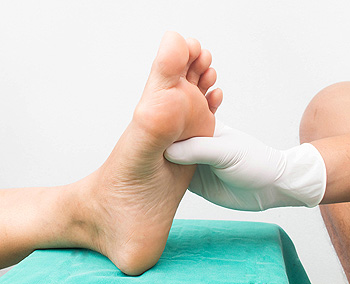
Diabetic neuropathy is a complication of diabetes that affects the nerves in the feet and legs, leading to numbness, tingling, burning, or sharp pain. As nerve damage progresses, it can reduce sensation, making it difficult to feel cuts, blisters, or sores. This can lead to infections, ulcers, or deformities like hammertoe, where the toes become bent or misaligned. The primary cause of diabetic neuropathy is high blood sugar levels over time, which can damage both blood vessels and nerves. Poor circulation combined with nerve damage increases the risk of developing foot ulcers and deformities, which may become severe if left untreated. A podiatrist can help manage diabetic neuropathy by providing regular foot exams, treating ulcers, and recommending special footwear or custom orthotics to prevent further damage. They can also assist with managing hammertoe and other foot deformities. If you are dealing with diabetic neuropathy, it is suggested that you make an appointment with a podiatrist.
Neuropathy
Neuropathy can be a potentially serious condition, especially if it is left undiagnosed. If you have any concerns that you may be experiencing nerve loss in your feet, consult with Darron Barrus, DPM from Shelby Podiatry. Our doctor will assess your condition and provide you with quality foot and ankle treatment for neuropathy.
What Is Neuropathy?
Neuropathy is a condition that leads to damage to the nerves in the body. Peripheral neuropathy, or neuropathy that affects your peripheral nervous system, usually occurs in the feet. Neuropathy can be triggered by a number of different causes. Such causes include diabetes, infections, cancers, disorders, and toxic substances.
Symptoms of Neuropathy Include:
- Numbness
- Sensation loss
- Prickling and tingling sensations
- Throbbing, freezing, burning pains
- Muscle weakness
Those with diabetes are at serious risk due to being unable to feel an ulcer on their feet. Diabetics usually also suffer from poor blood circulation. This can lead to the wound not healing, infections occurring, and the limb may have to be amputated.
Treatment
To treat neuropathy in the foot, podiatrists will first diagnose the cause of the neuropathy. Figuring out the underlying cause of the neuropathy will allow the podiatrist to prescribe the best treatment, whether it be caused by diabetes, toxic substance exposure, infection, etc. If the nerve has not died, then it’s possible that sensation may be able to return to the foot.
Pain medication may be issued for pain. Electrical nerve stimulation can be used to stimulate nerves. If the neuropathy is caused from pressure on the nerves, then surgery may be necessary.
If you have any questions, please feel free to contact our office located in Alabaster, AL . We offer the newest diagnostic and treatment technologies for all your foot care needs.
Sunday, 06 April 2025 00:00
Heel Pain Can Be Treated!
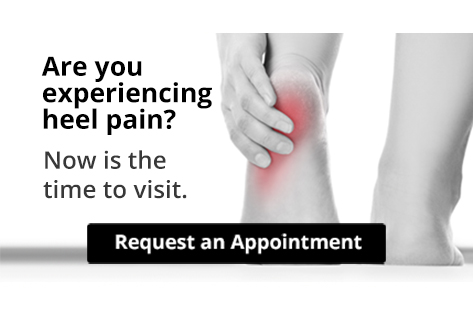
Do you suffer from heel pain when you get up in the morning? If so, you should seek professional help and have a proper diagnosis performed. Heel pain can be caused by several different foot-related conditions.
Tuesday, 01 April 2025 00:00
Causes of Foot Pain During Pregnancy
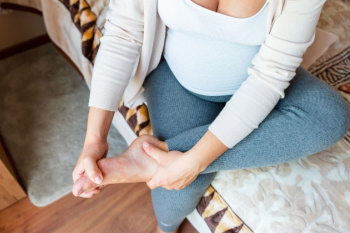
Pregnancy brings many changes to the body, including foot pain caused by factors such as edema and flat feet. Swelling, or edema, occurs due to increased fluid retention and pressure on the veins, leading to discomfort and tenderness in the feet. Flat feet develop as hormonal changes loosen ligaments, causing the arches to flatten and resulting in strain on the muscles and joints. To alleviate discomfort, reducing salt intake can help minimize fluid retention, while maintaining a balanced diet supports overall circulation and tissue health. Gentle foot stretches improve flexibility and relieve tension, providing additional comfort. If foot pain is causing you difficulty completing daily tasks, it is suggested that you visit a podiatrist who can treat various foot conditions, and offer you additional relief methods.
Pregnant women with swollen feet can be treated with a variety of different methods that are readily available. For more information about other cures for swollen feet during pregnancy, consult with Darron Barrus, DPM from Shelby Podiatry. Our doctor will attend to all of your foot and ankle needs.
What Foot Problems Can Arise During Pregnancy?
One problem that can occur is overpronation, which occurs when the arch of the foot flattens and tends to roll inward. This can cause pain and discomfort in your heels while you’re walking or even just standing up, trying to support your baby.
Another problem is edema, or swelling in the extremities. This often affects the feet during pregnancy but tends to occur in the later stages.
How Can I Keep My Feet Healthy During Pregnancy?
- Wearing orthotics can provide extra support for the feet and help distribute weight evenly
- Minimize the amount of time spent walking barefoot
- Wear shoes with good arch support
- Wear shoes that allow for good circulation to the feet
- Elevate feet if you experience swelling
- Massage your feet
- Get regular, light exercise, such as walking, to promote blood circulation to the feet
If you have any questions please feel free to contact our office located in Alabaster, AL . We offer the newest diagnostic and treatment technologies for all your foot and ankle needs.
