Connect With Us
Blog
Items filtered by date: February 2025
Tuesday, 25 February 2025 00:00
Causes and Prevention of Plantar Warts

Plantar warts are small, rough growths that appear on the soles of the feet, often causing discomfort or pain when walking. They are caused by a viral infection, specifically the human papillomavirus, or HPV, which enters the skin through small cuts or abrasions. The virus thrives in warm, moist environments, making places like public showers, swimming pools areas, and gym locker rooms common areas for infection. To prevent plantar warts, it is essential to avoid walking barefoot in public spaces and to keep feet clean and dry. Wearing moisture-wicking socks and well-fitting shoes can also help minimize the risk. If you have developed a plantar wart, it is suggested that you promptly schedule an appointment with a podiatrist who can provide safe and sterile medical care for relief and removal.
Plantar warts can be very uncomfortable. If you need your feet checked, contact Darron Barrus, DPM from Shelby Podiatry. Our doctor will assist you with all of your foot and ankle needs.
About Plantar Warts
Plantar warts are the result of HPV, or human papillomavirus, getting into open wounds on the feet. They are mostly found on the heels or balls of the feet.
While plantar warts are generally harmless, those experiencing excessive pain or those suffering from diabetes or a compromised immune system require immediate medical care. Plantar warts are easily diagnosed, usually through scraping off a bit of rough skin or by getting a biopsy.
Symptoms
- Lesions on the bottom of your feet, usually rough and grainy
- Hard or thick callused spots
- Wart seeds, which are small clotted blood vessels that look like little black spots
- Pain, discomfort, or tenderness of your feet when walking or standing
Treatment
- Freezing
- Electric tool removal
- Laser Treatment
- Topical Creams (prescription only)
- Over-the-counter medications
To help prevent developing plantar warts, avoid walking barefoot over abrasive surfaces that can cause cuts or wounds for HPV to get into. Avoiding direct contact with other warts, as well as not picking or rubbing existing warts, can help prevent the further spread of plantar warts. However, if you think you have developed plantar warts, speak to your podiatrist. He or she can diagnose the warts on your feet and recommend the appropriate treatment options.
If you have any questions please feel free to contact our office located in Alabaster, AL . We offer the newest diagnostic and treatment technologies for all your foot and ankle needs.
Tuesday, 18 February 2025 00:00
What Is Sesamoiditis?
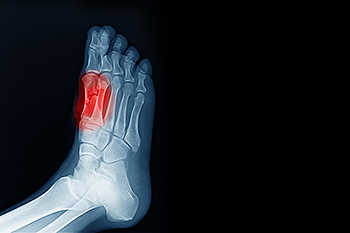
Sesamoiditis is an inflammation of the sesamoid bones, which are two small bones located beneath the big toe joint. These bones help in the movement and support of the toe, bearing a significant amount of pressure during walking, running, and other activities. The condition typically occurs due to overuse or repetitive stress on the feet. High-impact activities, improper footwear, or abnormal foot mechanics can contribute to the development of sesamoiditis. Common symptoms include pain and swelling around the base of the big toe, especially when putting pressure on the affected area. The pain may worsen during physical activity or after long periods of standing or walking. People with sesamoiditis may also experience difficulty bending the toe or walking comfortably. If you have pain in this area of your foot, it is suggested that you consult a podiatrist who can provide an accurate diagnosis and treatment.
Sesamoiditis is an unpleasant foot condition characterized by pain in the balls of the feet. If you think you’re struggling with sesamoiditis, contact Darron Barrus, DPM of Shelby Podiatry. Our doctor will treat your condition thoroughly and effectively.
Sesamoiditis
Sesamoiditis is a condition of the foot that affects the ball of the foot. It is more common in younger people than it is in older people. It can also occur with people who have begun a new exercise program, since their bodies are adjusting to the new physical regimen. Pain may also be caused by the inflammation of tendons surrounding the bones. It is important to seek treatment in its early stages because if you ignore the pain, this condition can lead to more serious problems such as severe irritation and bone fractures.
Causes of Sesamoiditis
- Sudden increase in activity
- Increase in physically strenuous movement without a proper warm up or build up
- Foot structure: those who have smaller, bonier feet or those with a high arch may be more susceptible
Treatment for sesamoiditis is non-invasive and simple. Doctors may recommend a strict rest period where the patient forgoes most physical activity. This will help give the patient time to heal their feet through limited activity. For serious cases, it is best to speak with your doctor to determine a treatment option that will help your specific needs.
If you have any questions please feel free to contact our office located in Alabaster, AL . We offer the newest diagnostic and treatment technologies for all your foot and ankle needs.
Tuesday, 11 February 2025 00:00
Choosing Running Shoes for Different Distances

Selecting the right running shoes for various distances is vital to ensure comfort, prevent injury, and improve performance. For shorter distances, such as sprints or 5Ks, lightweight shoes with more flexibility are ideal. These shoes offer quick responsiveness, allowing for fast foot turnover. For longer distances, like half-marathons or marathons, shoes with more cushioning provide extra support and shock absorption to reduce the impact on joints. Support is also essential, particularly for runners who experience overpronation or underpronation. Stability shoes help correct these issues, offering a more controlled stride and reducing the risk of injury. Cushioning should be balanced with support, ensuring that the shoe does not feel too soft or too firm, which can lead to discomfort. Additionally, flexibility plays a role in ensuring natural movement, especially for long-distance runners, as it helps maintain proper form and minimizes fatigue. If you have endured a foot or ankle injury from wearing the wrong running shoes, it is suggested that you consult a podiatrist who can treat various foot conditions, and guide you on what type of shoes to wear.
If you are a runner, wearing the right running shoe is essential. For more information, contact Darron Barrus, DPM from Shelby Podiatry. Our doctor can provide the care you need to keep you pain-free and on your feet.
Choosing the Right Running Shoe for Your Foot Type
To increase performance and avoid the risk of injury, it is important to choose the right running shoe based on your foot type. The general design of running shoes revolves around pronation, which is how the ankle rolls from outside to inside when the foot strikes the ground.
- Neutral runners are able to choose from a wide variety of shoes, including minimalist shoes or even going barefoot.
- Runners who overpronate, or experience an over-abundance of ankle rolling, should choose shoes that provide extra motion control and stability.
- Runners who underpronate, or supinate, have feet that have high arches and lack flexibility, preventing shock absorption. They require shoes with more flexibility and cushion.
If you have any questions please feel free to contact our office located in Alabaster, AL . We offer the newest diagnostic and treatment technologies for all your foot and ankle needs.
Wednesday, 05 February 2025 00:00
Are You Suffering From Ingrown Toenails?

If left untreated, an ingrown toenail can lead to more serious concerns, such as an infection. Knowing proper nail care can help in the prevention of an ingrown toenail. Give us a call, and get treated!
Tuesday, 04 February 2025 00:00
Pickleball Toe Injuries and Socks

Pickleball is a fast-paced sport that places significant demands on the feet, particularly the toes and ankles. The frequent lateral movements, quick sprints, and abrupt stops can lead to injuries like jammed toes, bruised or black toenails, and turf toe. Wearing proper footwear with a spacious toe box is vital, as it helps reduce pressure on the toes and allows natural movement. However, even well-fitted shoes may not fully shield the toes from the repetitive friction and impact inherent in the game. Specialized athletic socks designed for toe protection can play a significant role in preventing pickleball toe injuries. These socks provide additional cushioning in high-friction areas, minimize shearing forces that cause blisters, and promote natural toe splay for improved balance. For those individuals experiencing persistent pain or other injuries during pickleball games, a podiatrist can provide a diagnosis and treatment options that promote recovery and prevent further issues. If you have sustained an injury from playing pickleball, it is suggested that you schedle an appointment with a podiatrist for appropriate treatment solutions.
Sports related foot and ankle injuries require proper treatment before players can go back to their regular routines. For more information, contact Darron Barrus, DPM of Shelby Podiatry. Our doctor can provide the care you need to keep you pain-free and on your feet.
Sports Related Foot and Ankle Injuries
Foot and ankle injuries are a common occurrence when it comes to athletes of any sport. While many athletes dismiss the initial aches and pains, the truth is that ignoring potential foot and ankle injuries can lead to serious problems. As athletes continue to place pressure and strain the area further, a mild injury can turn into something as serious as a rupture and may lead to a permanent disability. There are many factors that contribute to sports related foot and ankle injuries, which include failure to warm up properly, not providing support or wearing bad footwear. Common injuries and conditions athletes face, including:
- Plantar Fasciitis
- Plantar Fasciosis
- Achilles Tendinitis
- Achilles Tendon Rupture
- Ankle Sprains
Sports related injuries are commonly treated using the RICE method. This includes rest, applying ice to the injured area, compression and elevating the ankle. More serious sprains and injuries may require surgery, which could include arthroscopic and reconstructive surgery. Rehabilitation and therapy may also be required in order to get any recovering athlete to become fully functional again. Any unusual aches and pains an athlete sustains must be evaluated by a licensed, reputable medical professional.
If you have any questions please feel free to contact our office located in Alabaster, AL . We offer the newest diagnostic and treatment technologies for all your foot and ankle needs.
