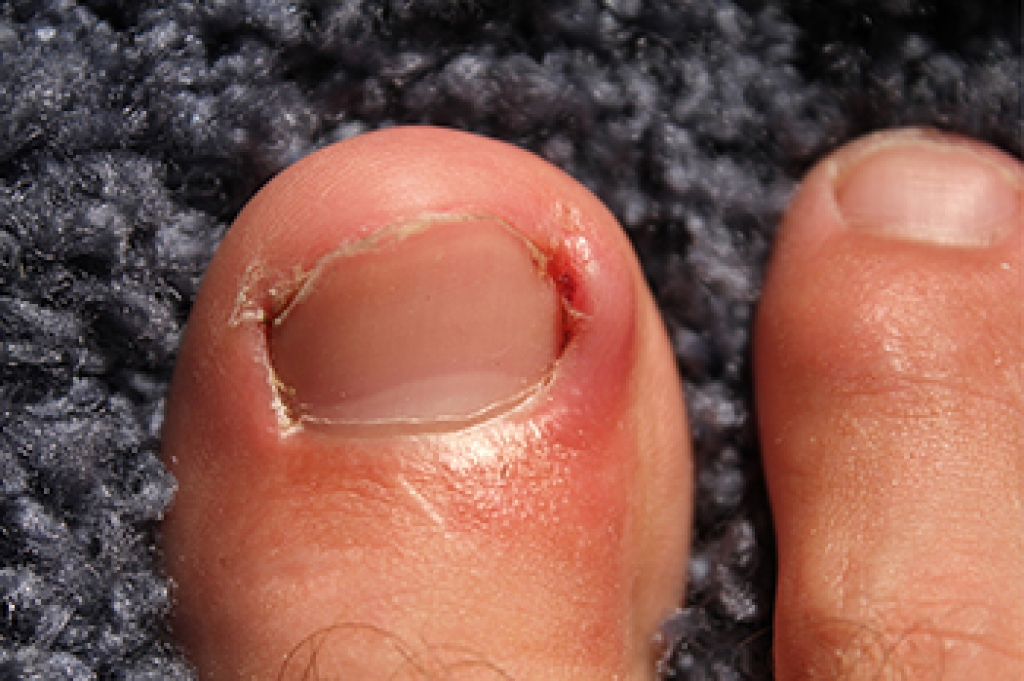
Types of Ingrown Toenails

An ingrown toenail develops when the edge of a nail grows into the surrounding skin, causing irritation and discomfort. The big toe is affected most often, although other toes can develop this problem. Symptoms may include tenderness, redness, and swelling along the nail edge. In more advanced cases, drainage or infection can occur. Ingrown toenails are common among teenagers and young adults, particularly those who are involved in sports or who wear tight-fitting shoes. Recognizing the problem early can help prevent worsening pain and make treatment easier. Although mild cases may improve with careful home care, persistent symptoms deserve professional attention.

Several types of ingrown toenails can develop at different ages. A distal lateral ingrown toenail occurs when the side edge of the nail grows into the skin near the tip of the toe. This is a common pattern and may develop when nails are cut too short or rounded at the corners. Neonatal ingrown toenails affect newborns and may occur because of the natural shape of the nail or surrounding skin. Adult ingrown toenails often develop after years of improper nail trimming, pressure from footwear, or repeated toe injuries. Each type can cause tenderness, but the treatment approach depends on age and severity.


Common causes include cutting toenails too short, rounding the edges, and wearing shoes that squeeze the toes together. Some people inherit curved nails that are more likely to press into nearby skin. Repeated pressure from running or other sports may also contribute. Risk factors include heavy sweating, nail injuries, and difficulty trimming nails safely. Early symptoms may involve mild soreness and redness, while worsening cases can cause warmth, drainage, or increasing pain. People with diabetes or poor circulation should seek professional care promptly, because even a small wound can lead to complications. Avoid digging into the nail edge or attempting to cut out the painful section yourself.


A podiatrist examines the nail and surrounding skin to determine the severity and check for infection. Mild cases may improve with careful nail care and footwear changes. If the nail is deeply embedded or repeatedly ingrown, the podiatrist may numb the toe and remove the troublesome nail edge. In recurring cases, a procedure may be used to prevent that section from growing back. After treatment, follow wound-care instructions and keep the toe clean. If you have an ingrown toenail, it is suggested that you consult a podiatrist for effective treatment solutions, which may include minor surgery for removal.

Ingrown toenails may initially present themselves as a minor discomfort, but they may progress into an infection in the skin without proper treatment. For more information about ingrown toenails, contact Darron Barrus, DPM of Shelby Podiatry. Our doctor can provide the care you need to keep you pain-free and on your feet.

Ingrown Toenails

Ingrown toenails are caused when the corner or side of a toenail grows into the soft flesh surrounding it. They often result in redness, swelling, pain, and in some cases, infection. This condition typically affects the big toe and may recur if it is not treated properly.

Causes

  • Improper toenail trimming
  • Genetics
  • Improper shoe fitting
  • Injury from pedicures or nail picking
  • Abnormal gait
  • Poor hygiene

You are more likely to develop an ingrown toenail if you are obese, have diabetes, arthritis, or have any fungal infection in your nails. Additionally, people who have foot or toe deformities are at a higher risk of developing an ingrown toenail.

Symptoms

Some symptoms of ingrown toenails are redness, swelling, and pain. In rare cases, there may be a yellowish drainage coming from the nail.

Treatment

Ignoring an ingrown toenail can have serious complications. Infections of the nail border can progress to a deeper soft-tissue infection, which can then turn into a bone infection. You should always speak with your podiatrist if you suspect you have an ingrown toenail, especially if you have diabetes or poor circulation.

If you have any questions, please feel free to contact our office located in Alabaster, AL . We offer the newest diagnostic and treatment technologies for all your foot care needs.


Read more about Ingrown Toenail Care

Timeline for Replacing Running Shoes

Running shoes are designed to absorb impact, provide support, and help runners move comfortably. Worn-out running shoes can contribute to foot injuries. Common problems include blisters, plantar fasciitis, and ankle discomfort. Shoes need replacement after about 300 to 500 miles, although mileage is just one factor. Loss of cushioning, uneven wear, and damage can signal that shoes should be replaced sooner.

Choosing running shoes should involve more than appearance. Your gait describes how your body moves while running, while your foot strike pattern describes how the foot contacts the ground. Foot structure also matters, because arch height, width, and alignment affect comfort and pressure. Running shoe materials influence cushioning, breathability, and durability. Risk factors include suddenly increasing mileage, running on hard surfaces, and wearing shoes after their support has declined.


There is no single replacement schedule that works for every runner. A heavier runner or someone who trains frequently may wear down shoes faster. Running on rough surfaces can increase material breakdown. Check the outsole for excessive wear and look for compressed cushioning. If one side appears more worn, your gait or foot strike pattern may be affecting the shoe. Replacing worn footwear before pain develops helps reduce stress on the feet and ankles.


A podiatrist evaluates your movement, examines discomfort, and considers how gait or foot mechanics may contribute to symptoms. Treatment options include activity adjustments, supportive recommendations, or care based on the cause. A podiatrist may also help you understand whether running habits or footwear choices are placing excess stress on your body. If you have foot injuries from wearing running shoes that are worn out, it is suggested that you consult a podiatrist for effective treatment solutions and additional guidance on when to replace your shoes. 

You should always make sure your running shoes fit properly in order to avoid injury. For more information, contact Darron Barrus, DPM from Shelby Podiatry. Our doctor can provide the care you need to keep you pain-free and on your feet.

Choosing the Right Running Shoe for Your Foot Type

Improper shoe sizing can cause a myriad of problems for your feet. Shoes that don’t fit you properly can lead to muscular imbalances in your body, which can result in foot, knee, and hip injuries.

Tips for Finding the Right Running Shoe

  • Make sure you have a thumb’s width of wiggle room between the end of your longest toe and the front of the shoe.
  • There should be little to no slipping at the heel
  • Don’t assume your size in one shoe brand will be your size in another
  • Do not lace up your shoes too tightly
  • Walk around in the store with your new shoes before you buy them

If you have any questions, please feel free to contact our office located in Alabaster, AL . We offer the newest diagnostic and treatment technologies for all your foot care needs.

Read more about Choosing the Right Running Shoe

Reminder: When Was the Last Time...?

Custom orthotics, or shoe inserts, should be periodically replaced. Orthotics must fit properly to give you the best results. Protect your feet and ankles!

Understanding Achilles Tendon Injuries and Recovery

The Achilles tendon is the thick cord at the back of the ankle that connects the calf muscle to the heel. It plays an important role in walking, running, and jumping. Two common Achilles tendon injuries are tendinopathy and rupture. Achilles tendinopathy develops when repeated small tears do not heal properly, weakening the tendon. A rupture occurs when the tendon stretches beyond its natural range and tears. Achilles tendon injuries may cause pain, swelling, and weakness around the back of the ankle, making everyday movement more difficult.


Achilles tendinopathy can cause tenderness along the tendon, stiffness after periods of rest, and pain during walking or jumping. Overloading or weakening the tendon can contribute to this problem. A sudden change in physical activity may increase strain, while limited recovery time between activities can also play a role. Tight or weak calf muscles are another possible factor. An Achilles rupture often happens when a sudden force is placed on the tendon, such as during jumping or a quick burst of running. A person may feel as though something struck the back of the ankle and may hear a popping sound when the tendon tears.


A podiatrist can evaluate Achilles tendon pain and determine the type and severity of the injury. The examination may include checking the tendon and calf while assessing foot and ankle function. Ultrasound or MRI imaging may be used to confirm the problem. Most Achilles tendon injuries do not require surgery, although a torn tendon may occasionally need surgical repair. Rehabilitation is often part of recovery, and the amount of time needed can vary with age, activity level, and overall health. Professional evaluation is important when pain is severe, swelling develops, or weakness makes foot movement difficult. If Achilles tendon pain or weakness is affecting your mobility, it is suggested that you consult a podiatrist for an evaluation and appropriate treatment options.

Achilles tendon injuries need immediate attention to avoid future complications. If you have any concerns, contact Darron Barrus, DPM of Shelby Podiatry. Our doctor can provide the care you need to keep you pain-free and on your feet.

What Is the Achilles Tendon?

The Achilles tendon is a tendon that connects the lower leg muscles and calf to the heel of the foot. It is the strongest tendon in the human body and is essential for making movement possible. Because this tendon is such an integral part of the body, any injuries to it can create immense difficulties and should immediately be presented to a doctor.

What Are the Symptoms of an Achilles Tendon Injury?

There are various types of injuries that can affect the Achilles tendon. The two most common injuries are Achilles tendinitis and ruptures of the tendon.

Achilles Tendinitis Symptoms

  • Inflammation
  • Dull to severe pain
  • Increased blood flow to the tendon
  • Thickening of the tendon

Rupture Symptoms

  • Extreme pain and swelling in the foot
  • Total immobility

Treatment and Prevention

Achilles tendon injuries are diagnosed by a thorough physical evaluation, which can include an MRI. Treatment involves rest, physical therapy, and in some cases, surgery. However, various preventative measures can be taken to avoid these injuries, such as:

  • Thorough stretching of the tendon before and after exercise
  • Strengthening exercises like calf raises, squats, leg curls, leg extensions, leg raises, lunges, and leg presses

If you have any questions please feel free to contact our office located in Alabaster, AL . We offer the newest diagnostic tools and technology to treat your foot and ankle needs.

Read more about The Causes, Types, and Treatments of Achilles Tendon Injuries

Causes of Split Toenails

A split toenail occurs when the nail develops a crack, separation, or break. Toenails can split because of pressure, injury, or changes within the nail. A vitamin deficiency may affect nail strength, while a nail infection can change nail texture and make it easier to break. Symptoms may include a visible split, rough edges, or discoloration. Paying attention to these changes can help protect the nail.

Several risk factors can make toenail splitting more likely. Repeated injury from wearing tight shoes can place pressure on the nail and cause damage. Frequent moisture can weaken the nail. Certain nail infections may cause thickening or brittleness, which can lead to splitting. Nutritional deficiencies may contribute when the body lacks nutrients needed for healthy nail growth. Additionally, age can also affect nail texture. Keeping nails trimmed properly and wearing comfortable shoes can reduce stress.


Strong toenails provide an important layer of protection for sensitive tissue underneath. Healthy nails help shield the toe from pressure, friction, and impacts. When a toenail splits, the opening can expose the nail bed and create an opportunity for irritation or infection. A podiatrist can examine the nail and look for infection or injury. Treatment may include trimming damaged edges, treating an infection, or recommending nutrition. The goal is healthy growth.


At home, keep the nail clean and dry, and avoid pulling at a loose section. Choose shoes with enough room for your toes and trim toenails straight across. Avoid harsh products that can dry the nail and surrounding skin. If the nail becomes painful, discolored, or repeatedly splits, podiatric care can help identify the cause. Your podiatrist can recommend steps to protect the nail. If you have split toenails, it is suggested that you consult a podiatrist for effective treatment tips.

Toe pain can disrupt your daily activities. If you have any concerns, contact Darron Barrus, DPM of Shelby Podiatry. Our doctor can provide the care you need to keep you pain-free and on your feet.

What Causes Toe Pain?

Most severe toe pain is caused due to a sports injury, trauma from dropping something heavy on the toe, or bumping into something rigid. Other problems can develop over time for various reasons.

Toe pain can be caused by one or more ailments. The most common include:

  • Trauma
  • Sports injury
  • Wearing shoes that are too tight
  • Arthritis
  • Gout
  • Corns and calluses
  • Hammertoe
  • Bunions
  • Blisters
  • Ingrown toenails
  • Sprains
  • Fractures (broken bones)
  • Dislocations

When to See a Podiatrist

  • Severe pain
  • Persistent pain that lasts more than a week
  • Signs of infection
  • Continued swelling
  • Pain that prevents walking

Diagnosis

In many cases the cause of toe pain is obvious, but in others, a podiatrist may want to use more advanced methods to determine the problem. These can range from simple visual inspections and sensation tests to X-rays and MRI scans. Prior medical history, family medical history, and any recent physical traumatic events will all be taken into consideration for a proper diagnosis.

Treatment

Treatments for toe pain and injuries vary and may include shoe inserts, padding, taping, medicines, injections, and in some cases, surgery. If you believe that you have broken a toe, please see a podiatrist as soon as possible.

If you have any questions please contact our office located in Alabaster, AL . We offer the newest diagnostic and treatment technologies for all your foot and ankle needs.

Read more about Toe Pain

Connect With Us

scroll to top